By Eng. Kobusinge Irene Priscilla, Senior Investigations Officer, NBRB.
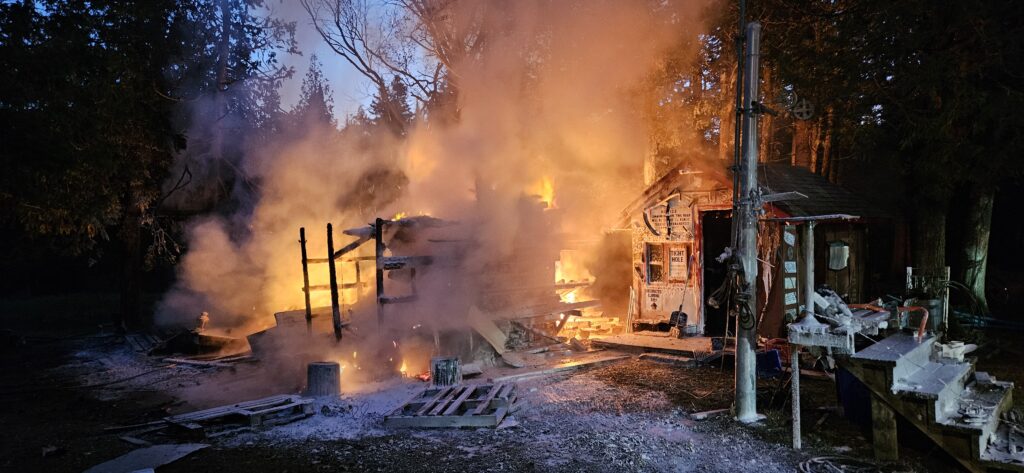
What was meant to be a relaxing steam and heating session turned into chaos when an explosion occurred at Buziga Country Resort in Makindye Division, Kampala City. Three individuals using the facility at the moment were injured.
Despite receiving medical attention, one of the victims later succumbed to their injuries. In addition to the human casualties, the explosion caused significant damage to the facility, including the destruction of the interior, structural components, and mechanical systems within the sauna area.
This explosion follows several others, including one that occurred at Experience In Health Club in Wakiso in July 2021 that claimed two lives.
A 2022 study by the National Building Review Board (NBRB), a government agency mandated to monitor all building developments, revealed several safety concerns that pose a danger to human life.
Explosions impact
Normally, the explosions result in significant structural damage within the sauna facilities and to adjacent properties.
The sauna’s walls and roof get destroyed, with the core combustion chamber – the “hot box” of the wood-fired heater – violently displaced further into the sauna interior, indicating the intensity and directionality of the blast force.
These observations reflect the wide blast radius and the high-pressure energy release involved.
Investigative Observations
Following extensive site analysis, forensic examinations of the boiler remains and interviews with staff, our investigations reveal multiple systemic failures, which include: Pressure vessel rupture due to overpressure.
The immediate cause of these explosions is a catastrophic rupture of the steel boiler due to uncontrolled steam pressure.
The internal pressure usually exceeds the yield strength of the material, leading to a sudden and violent fragmentation of the pressure vessel. The absence of pressure regulation makes the system especially vulnerable during periods of peak steam generation.
Absent safety mechanisms
Critically, the systems don’t have functioning safety mechanisms to relieve pressure. There is no operative pressure relief valve or pressure gauge, offering no real-time pressure readings to the operator. Additionally, there is no expansion tank, blow-off valve, or secondary safety systems in place.
This complete absence of pressure management means that once steam generation exceeds safe limits, the system has no means of discharging excess energy, resulting in a dangerous build-up that leads to an explosion.
Improvised unregulated system
In the saunas, the boilers are locally fabricated without any formal engineering design or documentation.
There is a lack of certified pressure vessel construction standards, design drawings, stress calculations, or safety validations performed.
The welds are always inconsistent and of poor quality, and the materials used are non-rated mild steel – not suitable for high-pressure steam applications. This ad hoc approach to pressure vessel construction significantly increases the risk of mechanical failure.
Human error and lack of training
Operational errors also play a key role. On the days of the explosion, the operators overfilled the boiler’s water chamber during start-up, reducing the available headspace for steam.
This means steam pressure builds rapidly as the water expands. There are no emergency shut-off procedures in place, nor any alarms or indicators to alert staff of a dangerous pressure condition.
The operators rely entirely on sensory indications, making them part of the fatalities.
Lessons learned
These tragic incidents serve as a stark reminder of the dangers that arise when traditional heating methods meet modern pressure systems without the critical safeguards in place.
In many facilities, especially those relying on wood-fired boilers, there’s a tendency to overlook the risks that come with steam generation. Fire heats water, Pressure builds, and without proper controls, that pressure has nowhere to go.
In these cases, the lack of certified safety devices – such as functioning pressure relief valves, gauges, and blow-off mechanisms, means the systems are essentially a ticking time bomb.
When boilers are fabricated locally, without engineering oversight or proper stress testing, they become highly vulnerable under high-heat, high-pressure conditions.
Worse still, no personnel on site are adequately trained to recognize warning signs or to respond to an emergency.
It’s a sobering lesson: pressure systems, no matter how simple they seem, demand respect, engineering discipline, and constant vigilance. Without them, even a traditional sauna can become a deadly machine. When pressure builds and safeguards fail, disaster is not a question of if but when.
These incidents are a chilling reminder that even the most familiar systems can turn fatal when safety is sidelined.
Engineering controls, proper maintenance, and trained operators aren’t luxuries – they are lifelines. Because when lives are at stake, cutting corners comes at the highest cost.