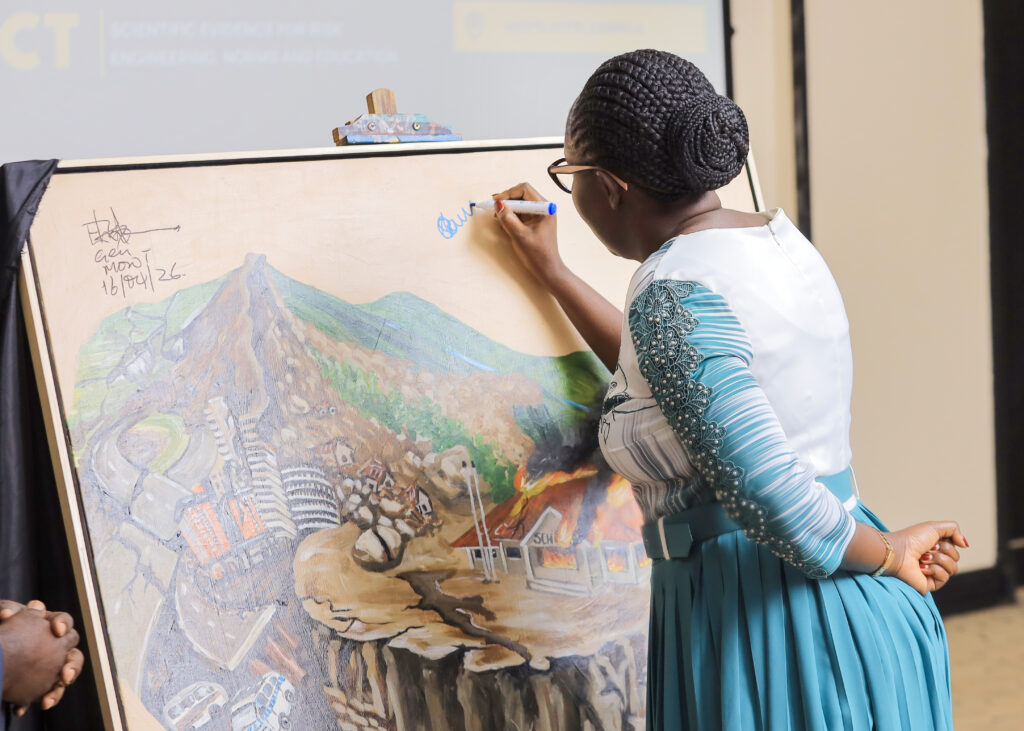
The Executive Secretary of the National Building Review Board (NBRB), Eng. Flavia Gutto Bwire has called for a major shift in Uganda’s approach to disaster risk management, urging stakeholders to move from reactive response to prevention through science, stronger regulation, and strategic partnerships.
Speaking at the official launch of the SERENE Project at Mestil Hotel in Kampala, Eng. Bwire said the initiative marks a transformative step in strengthening Uganda’s built environment against earthquakes and other natural hazards.
“SERENE represents a critical shift from reacting to disasters to anticipating and preventing them; from assumptions to scientific evidence; and from isolated interventions to coordinated national systems,” she said.
“Uganda’s rapid urbanisation and infrastructure growth create opportunity, but they also increase exposure to earthquakes, landslides, floods, fires and unsafe construction practices.”
“The SERENE Project begins from a simple but vital goal: building a safer, more resilient Uganda,” she added.

The SERENE Project Scientific Evidence for Risk Engineering, Norms and Education, is a partnership between NBRB and the Global Earthquake Model (GEM) Foundation, aimed at generating local scientific evidence to support safer engineering practice, improved building standards, and long-term resilience planning.
In her remarks, Eng. Bwire welcomed participants from government, development partners, academia, the private sector, and international institutions, describing the event as the beginning of a transformative journey for Uganda’s infrastructure safety agenda.
“Your presence reflects a shared commitment to one goal: building a safer, more resilient Uganda,” she said.
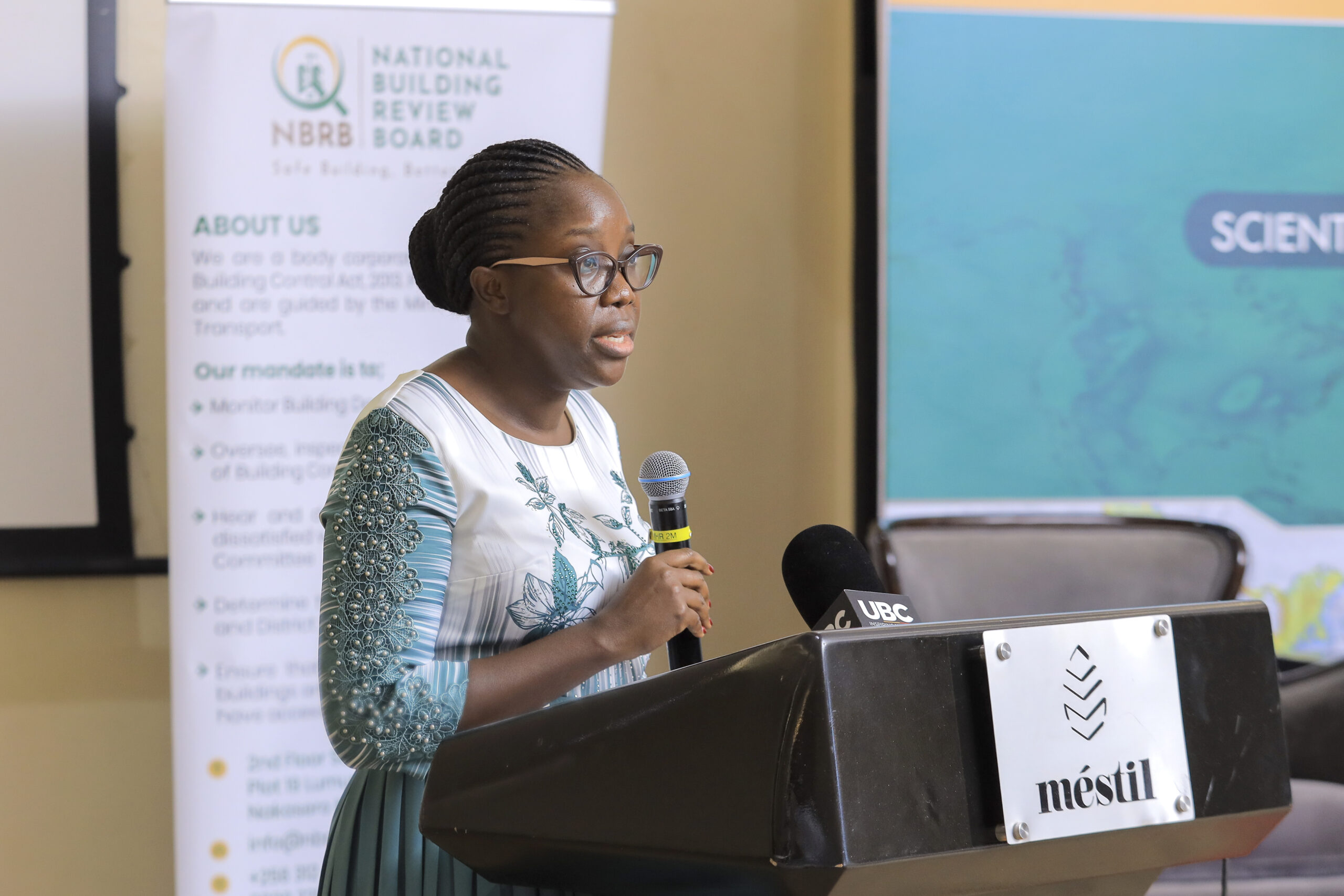
She used the occasion to reaffirm the role of NBRB as the country’s national regulator under the Building Control Act, mandated to oversee building operations, enforce standards, and promote a safe, well-planned, and sustainable built environment.
“At the heart of our work is a simple but critical responsibility: to ensure that every building in Uganda is safe for its occupants and for the public,” she said.
The Executive Secretary noted that Uganda’s rapid urbanisation and infrastructure growth, while creating new opportunities, are also increasing the country’s exposure to risk.
She pointed to a combination of hazards affecting the built environment, including earthquakes, landslides, floods, fires, building collapses, and unsafe construction practices.
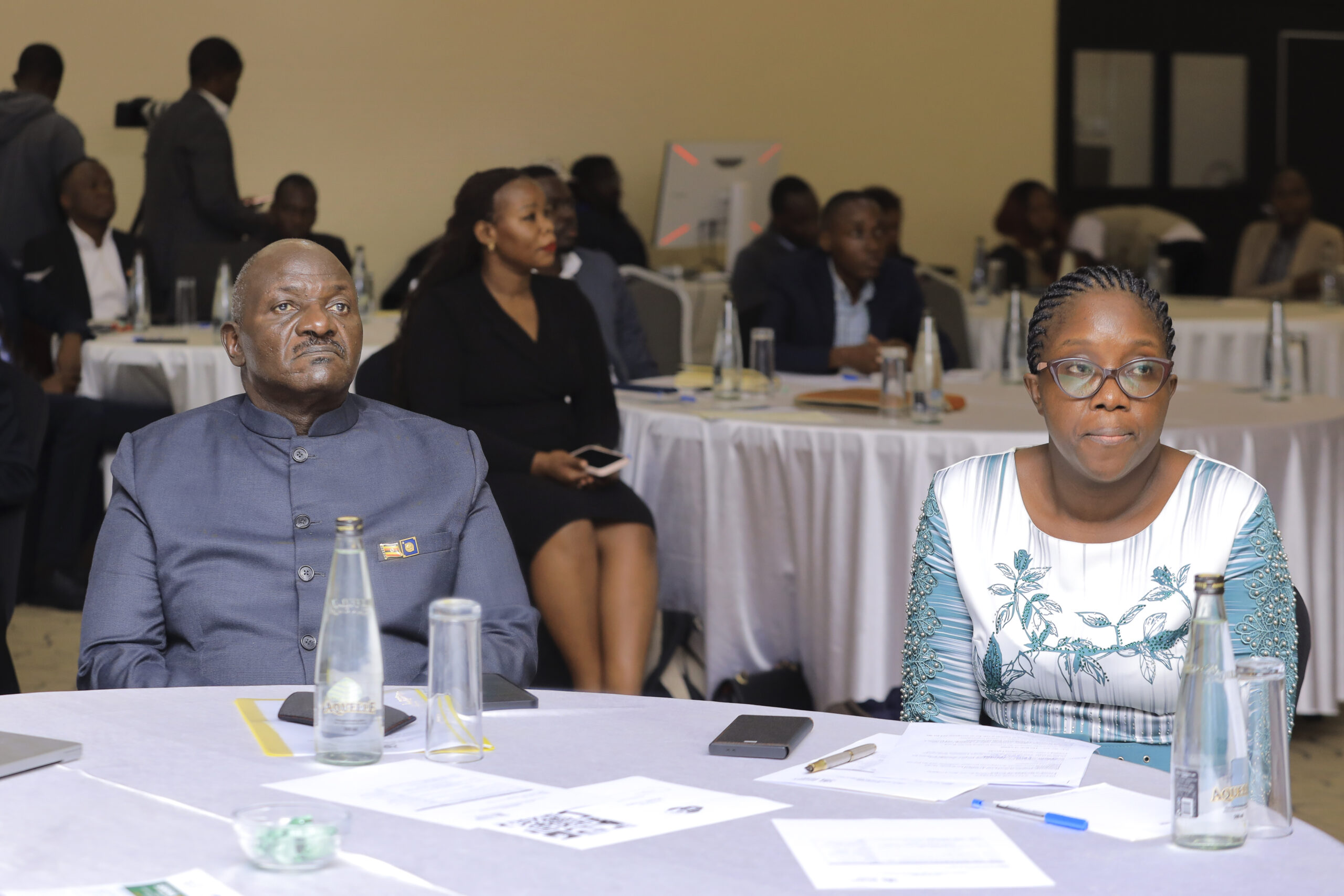
According to Eng. Bwire, the real danger often lies in the vulnerability of buildings rather than the hazard itself.
She described the partnership with GEM Foundation as both strategic and long-term, bringing together NBRB’s regulatory mandate and local knowledge with global expertise in hazard and risk modelling.
“Where standards are not followed, where materials are compromised, and where professional oversight is absent, even moderate hazards can lead to serious loss of life and property,” she said.
“This partnership is strategic. It combines local knowledge and regulatory mandate with global experience in hazard and risk modelling to address one fundamental question: how do we build safely in a risk-prone environment?”
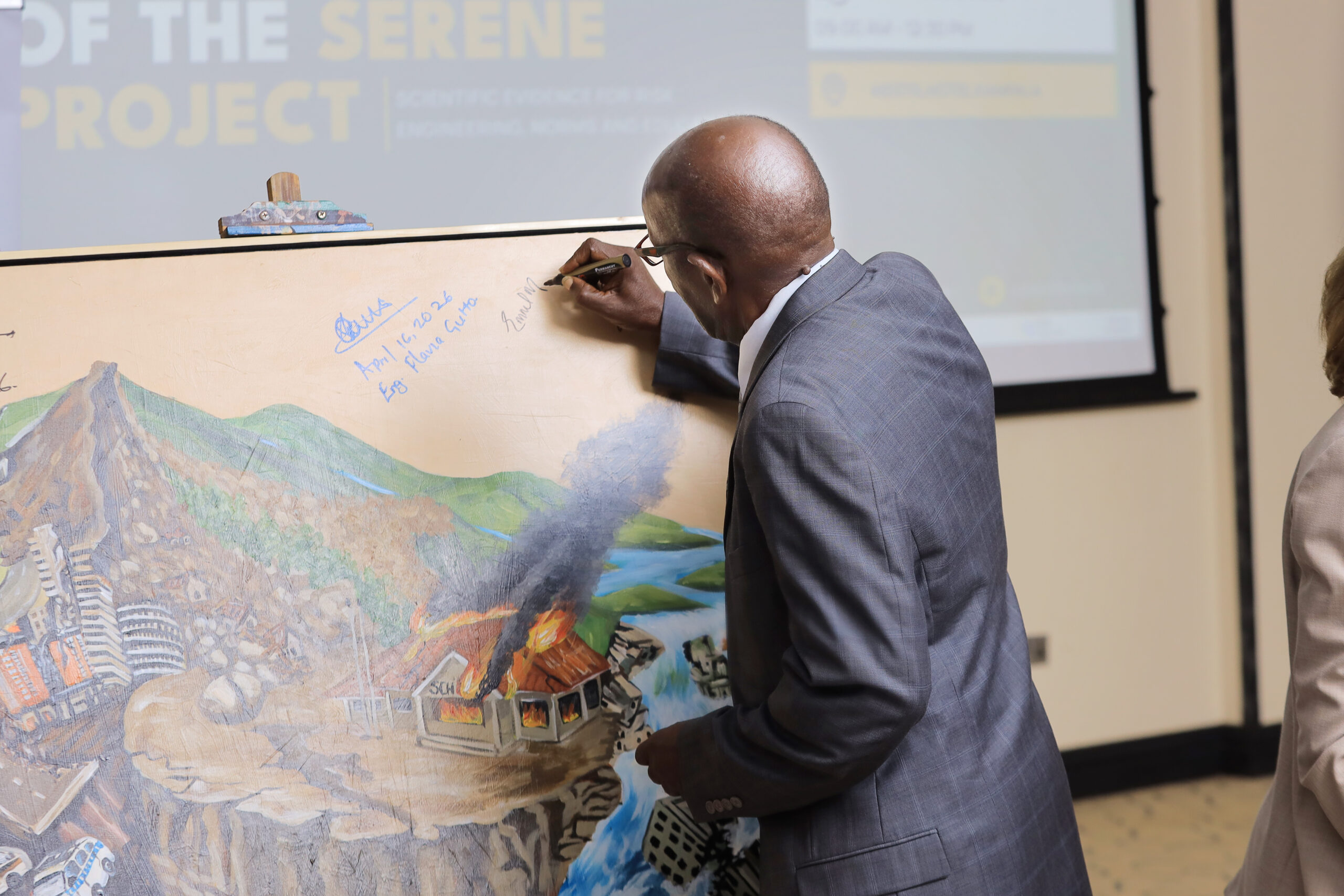
Eng. Bwire said the project will lay the foundation for a stronger evidence base for policy, planning, and regulation by generating a scientific understanding of Uganda’s hazards and developing a comprehensive national building exposure model.
She further emphasized that the project’s success would not be measured only by technical models and reports, but by its practical impact on communities.
“Success for SERENE will not be measured only by models or reports. It will be measured by safer buildings across Uganda, improved compliance with standards, better-informed planning and investment decisions, and ultimately reduced loss of life and property,” she said.
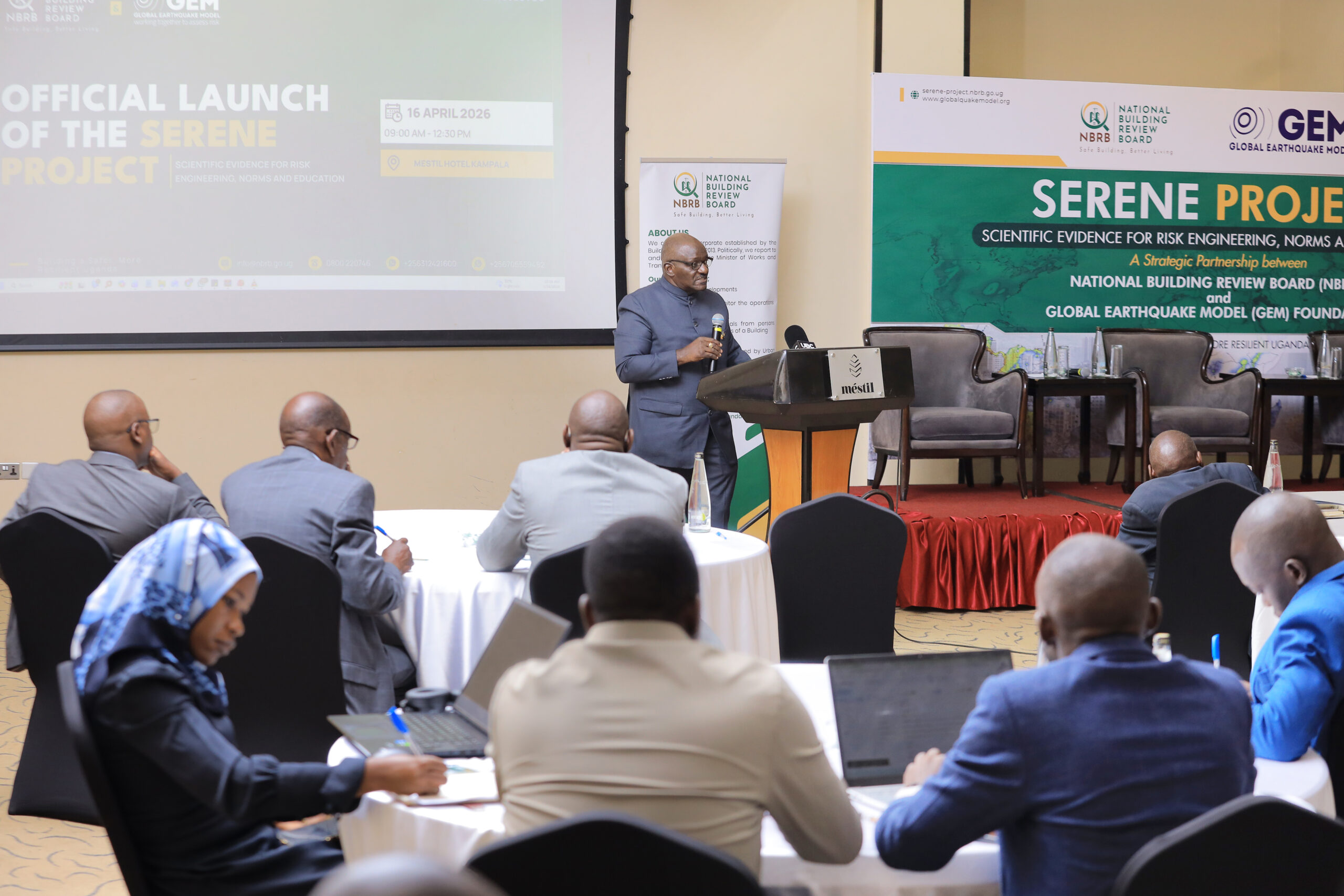
The launch was officiated by the Minister of Works and Transport, Gen. Edward Katumba Wamala, who delivered the keynote address and later flagged off the NBRB mobile inspection van.
The event also featured remarks from Helen Crowley, General Secretary of the GEM Foundation, and Yepes Katalina Estrada, Senior Risk Modeller at GEM, who reaffirmed their commitment to supporting Uganda’s long-term resilience agenda.
As the event concluded, Eng. Bwire called on all stakeholders to work together in building a safer future.
“We are not just building structures — we are building lives, communities, and a future,” she said.