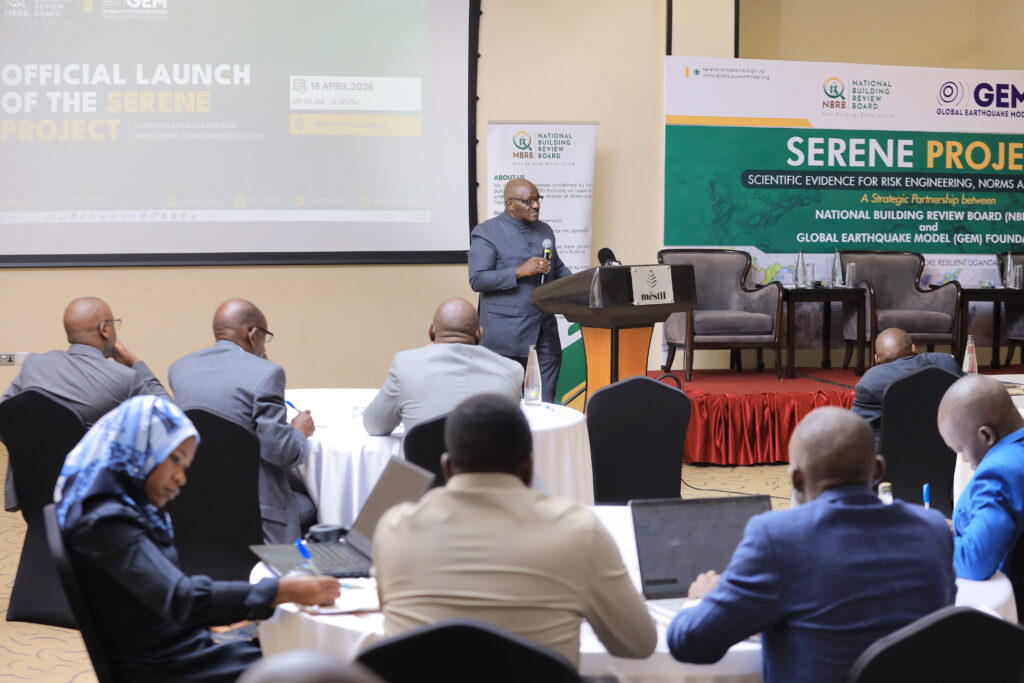
The Minister of Works and Transport, Gen. Edward Katumba Wamala, on Thursday, officiated the launch of the SERENE Project, a landmark partnership between the National Building Review Board (NBRB) and the Global Earthquake Model (GEM) Foundation, aimed at strengthening Uganda’s seismic risk preparedness and safer infrastructure development.
The launch, held at Mestil Hotel in Kampala, brought together senior government officials, technical experts, development partners, academia, and private-sector stakeholders.
In his keynote address, the Minister underscored the urgency of the initiative, citing Uganda’s position between the two active arms of the East African Rift Valley, rapid urbanisation, and the increasing concern over sub-standard buildings.
“This collaboration comes at a critical time for our country. As Uganda continues to grow, we must ensure that our development is anchored in safety, resilience, and scientific evidence,” the Minister said.
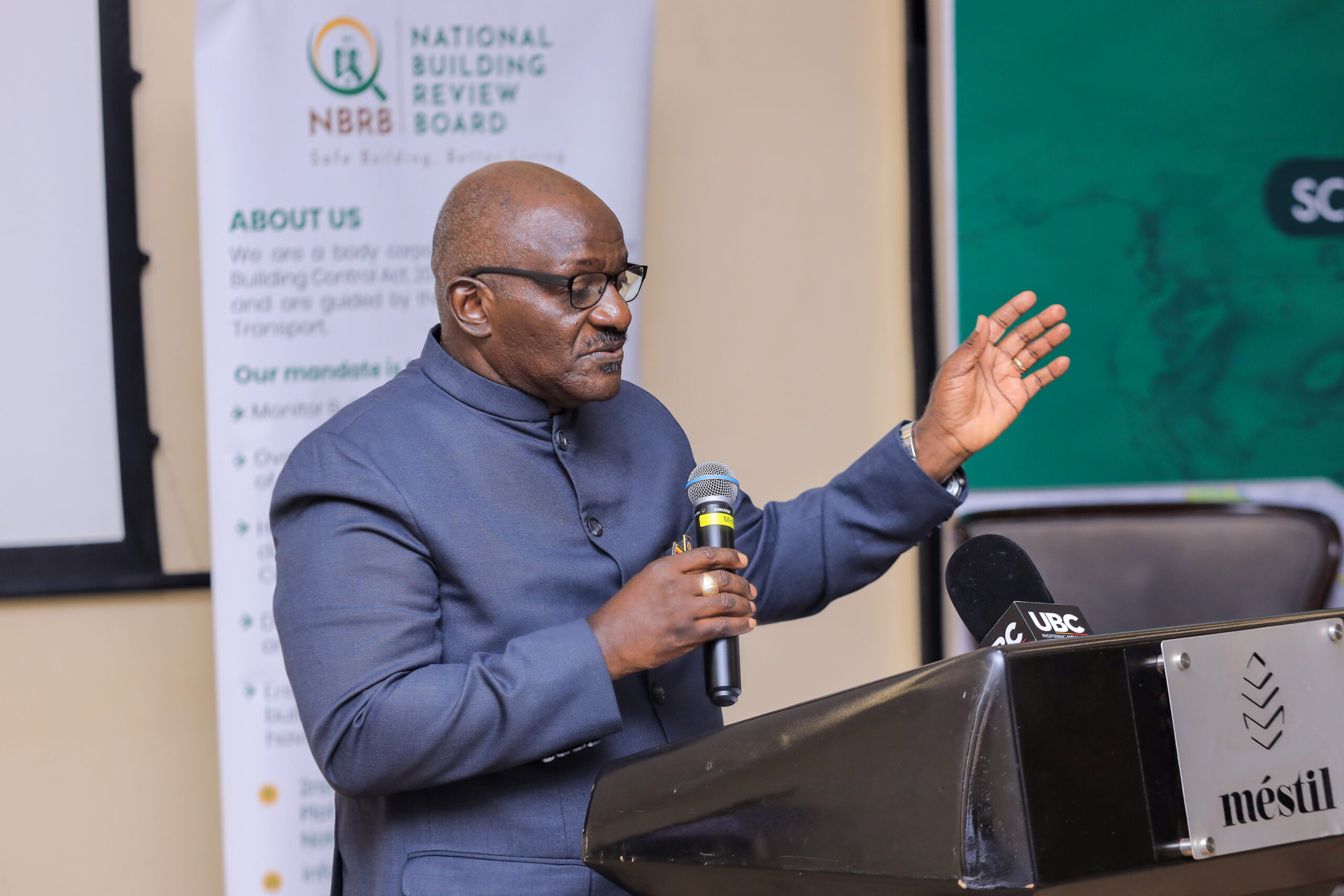
“When natural hazards interact with weak construction, the result can be tragedy. The integrity of the built environment must become a matter of national consciousness.”
Hon. General Katumba Wamala further noted that the SERENE Project will help strengthen evidence-based regulation under the building control framework, support the revision of Uganda’s seismic design code, and build local technical capacity in hazard modelling, vulnerability assessment, and risk analysis.
The Minister also emphasized that the initiative aligns with national resilience priorities and supports the implementation of previous presidential directives on earthquake-proof construction and stronger building standards.
“This project will help build skills here at home among engineers, planners, researchers and regulators’ capacity that stays in Uganda,” he added.
“SERENE is timely because it helps Uganda move from reactive disaster response to proactive, science-led risk reduction.”
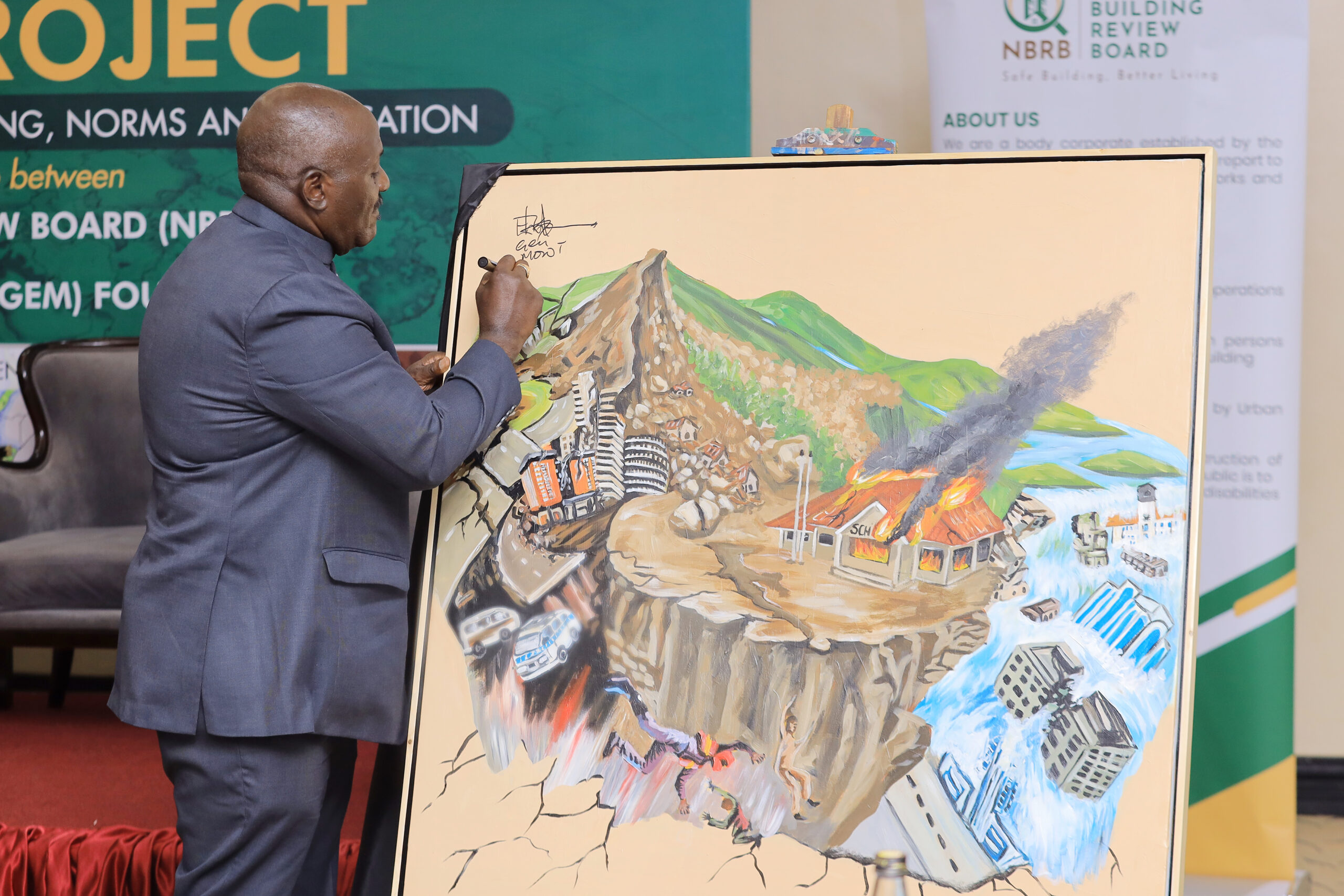
“This collaboration gives Uganda access to world-class expertise, better data and modern tools to make stronger decisions with confidence.”
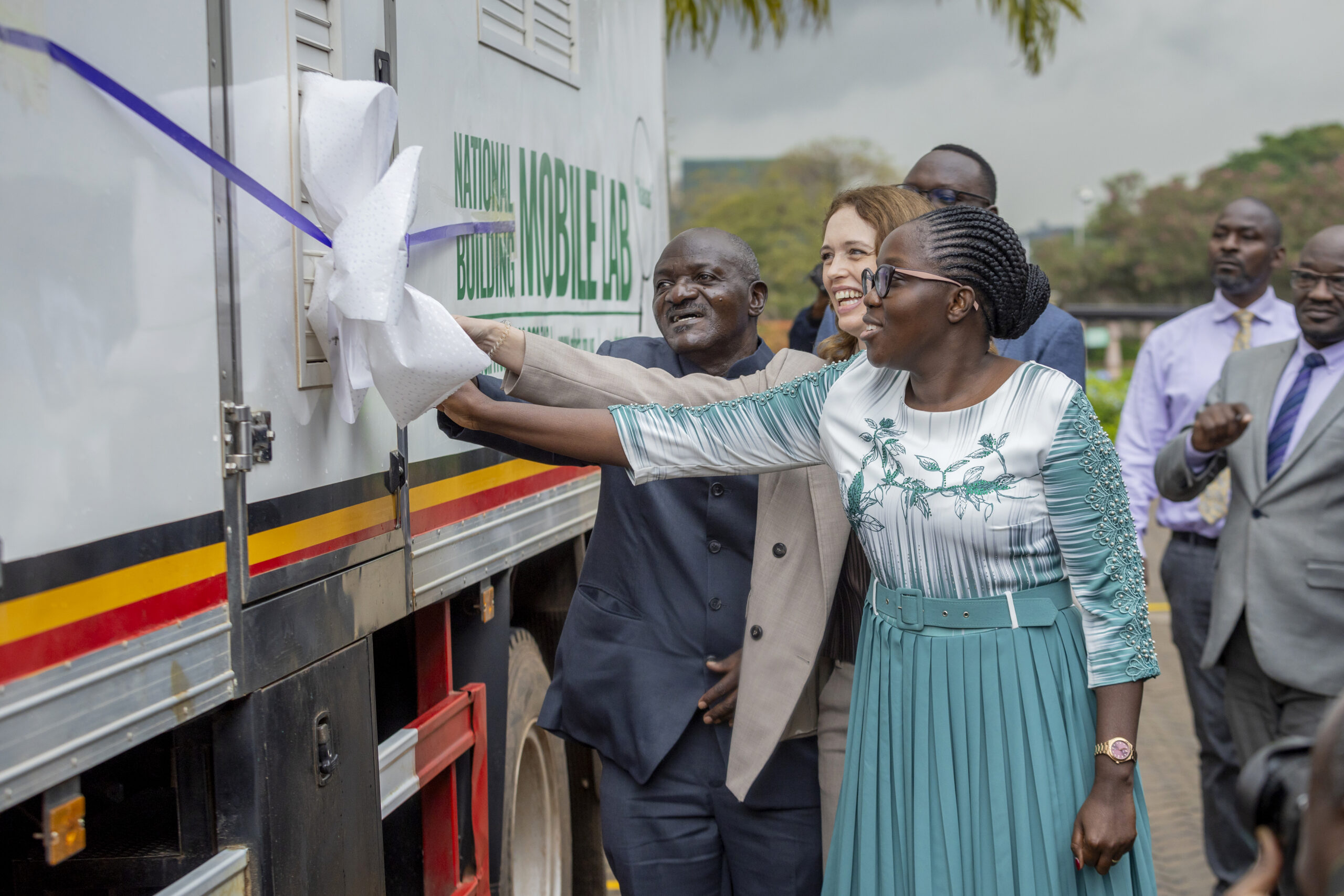
A key highlight of the event was the official flag-off of the NBRB mobile laboratory van, a move aimed at strengthening field inspection, public sensitisation, and regulatory enforcement across the country.
The mobile unit is expected to support NBRB’s operations in monitoring building developments, conducting compliance checks, and extending technical support to local governments and building committees.
The flag-off symbolised NBRB’s commitment to taking regulation and public safety closer to communities.
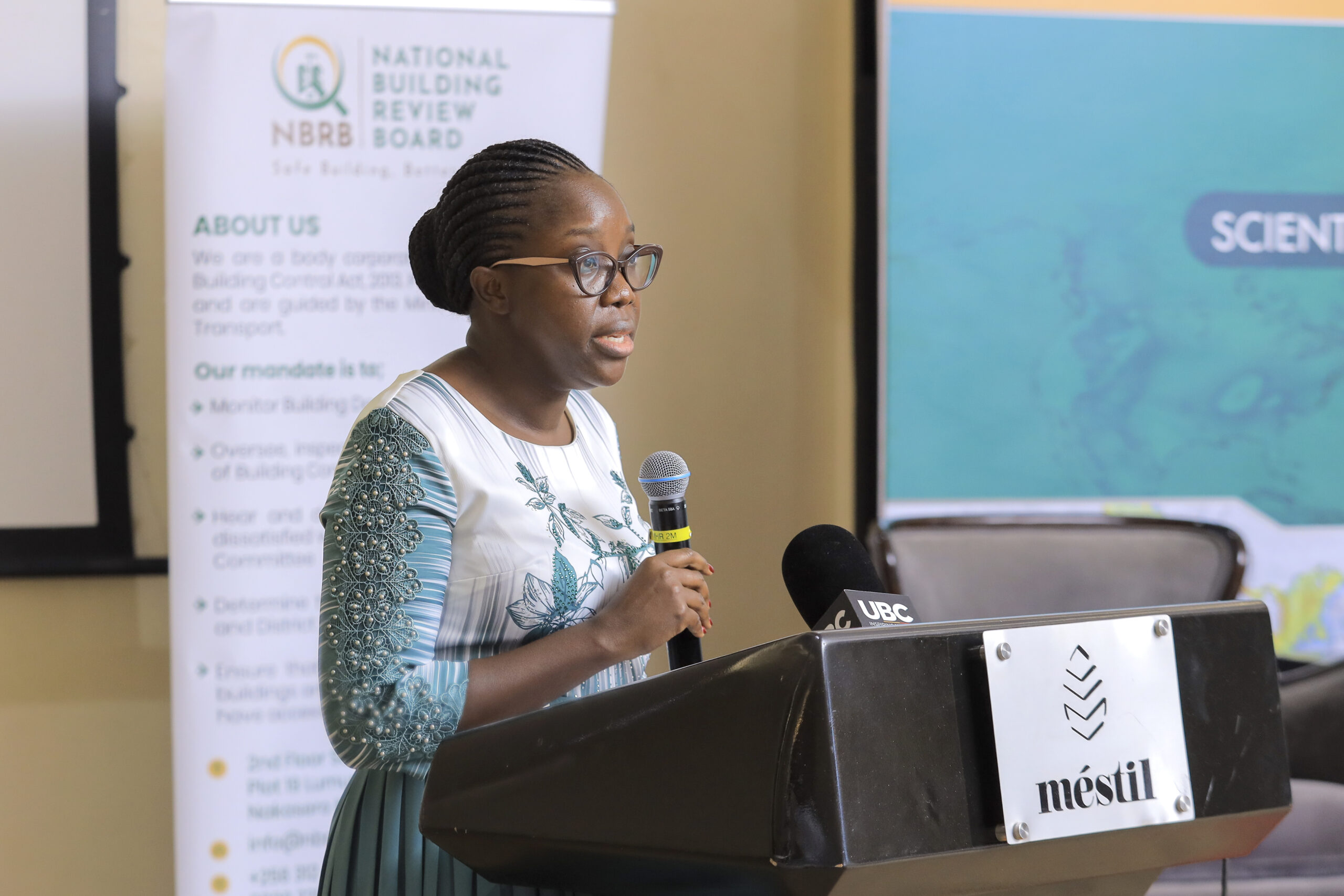
In her remarks, Eng. Flavia Gutto Bwire, Executive Secretary of NBRB, described the launch as the beginning of a transformative journey for Uganda’s built environment.
“SERENE represents a critical shift from reacting to disasters to anticipating and preventing them; from assumptions to scientific evidence; and from isolated interventions to coordinated national systems,” she said.
“The SERENE Project begins from a simple but vital goal: building a safer, more resilient Uganda. NBRB’s responsibility is clear: to ensure that every building in Uganda is safe for its occupants and for the public.”
“The greatest danger is often not the hazard itself, but the vulnerability of buildings where standards are ignored and oversight is weak,” she continued.
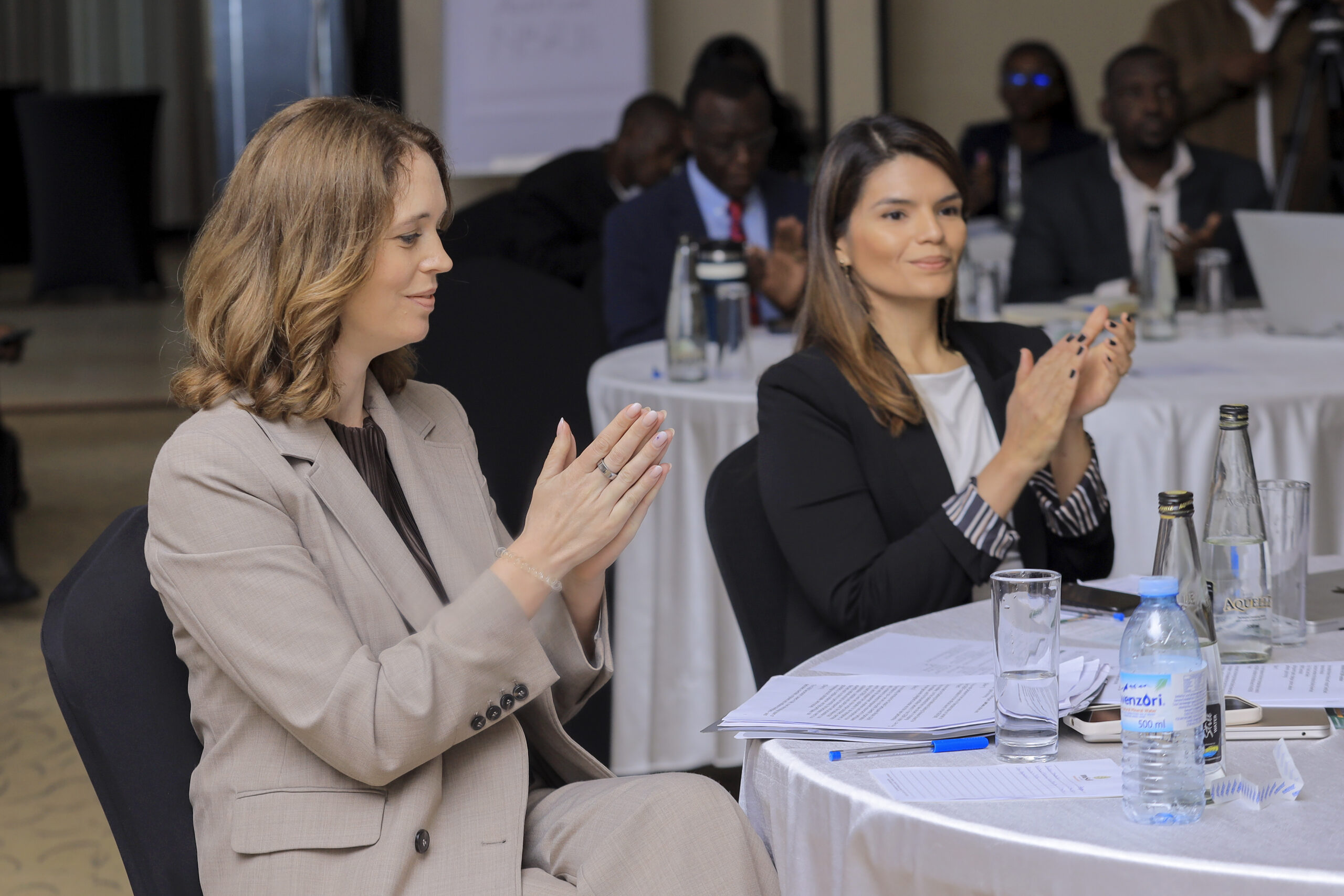
Representing the GEM Foundation, Helen Crowley, General Secretary, described the partnership as a long-term scientific and institutional collaboration focused on building stronger local capacity.
“Today is not simply the launch of a project. It is the start of a long-term effort to strengthen the evidence, institutions and practice needed for safer development in Uganda,” Crowley said.
She was joined by Yepes Katalina Estrada, Senior Risk Modeller at GEM Foundation, who is part of the technical team supporting the seismic modelling work under the project.
According to project partners, SERENE – Scientific Evidence for Risk Engineering, Norms and Education, will deliver key outputs including a national exposure model, updated vulnerability assessments, seismic hazard and risk maps, improved design guidelines, and comprehensive capacity building for Ugandan experts.
The project is expected to strengthen Uganda’s disaster risk reduction efforts and support safer infrastructure planning in line with broader national development priorities.
The launch concluded with a renewed commitment from all partners to build a safer and more resilient Uganda through science, stronger institutions, and strategic partnerships.