By Dr. Morris Oleng – Senior Research Officer, NBRB
Normally, earthquakes are not what most people worry about. Traffic jams, rent, flooding after heavy rain, and the ever-rising skyline dominate conversation. Yet beneath that skyline lies a quieter risk, one that rarely makes headlines until something goes wrong. It is this mix of visible and invisible threats that Uganda is now beginning to confront more deliberately.
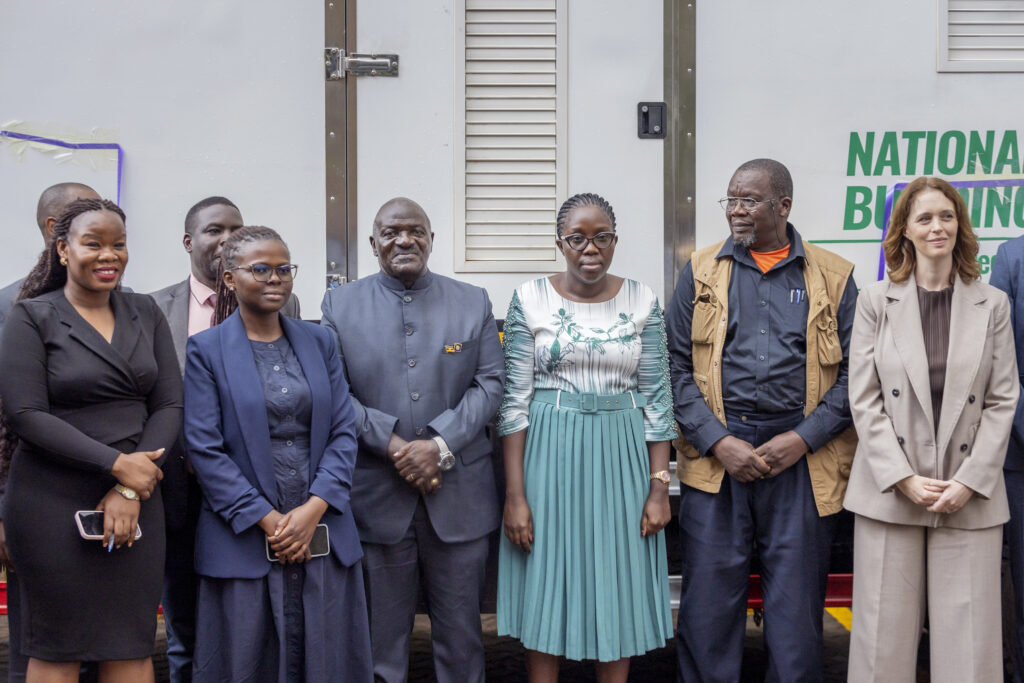
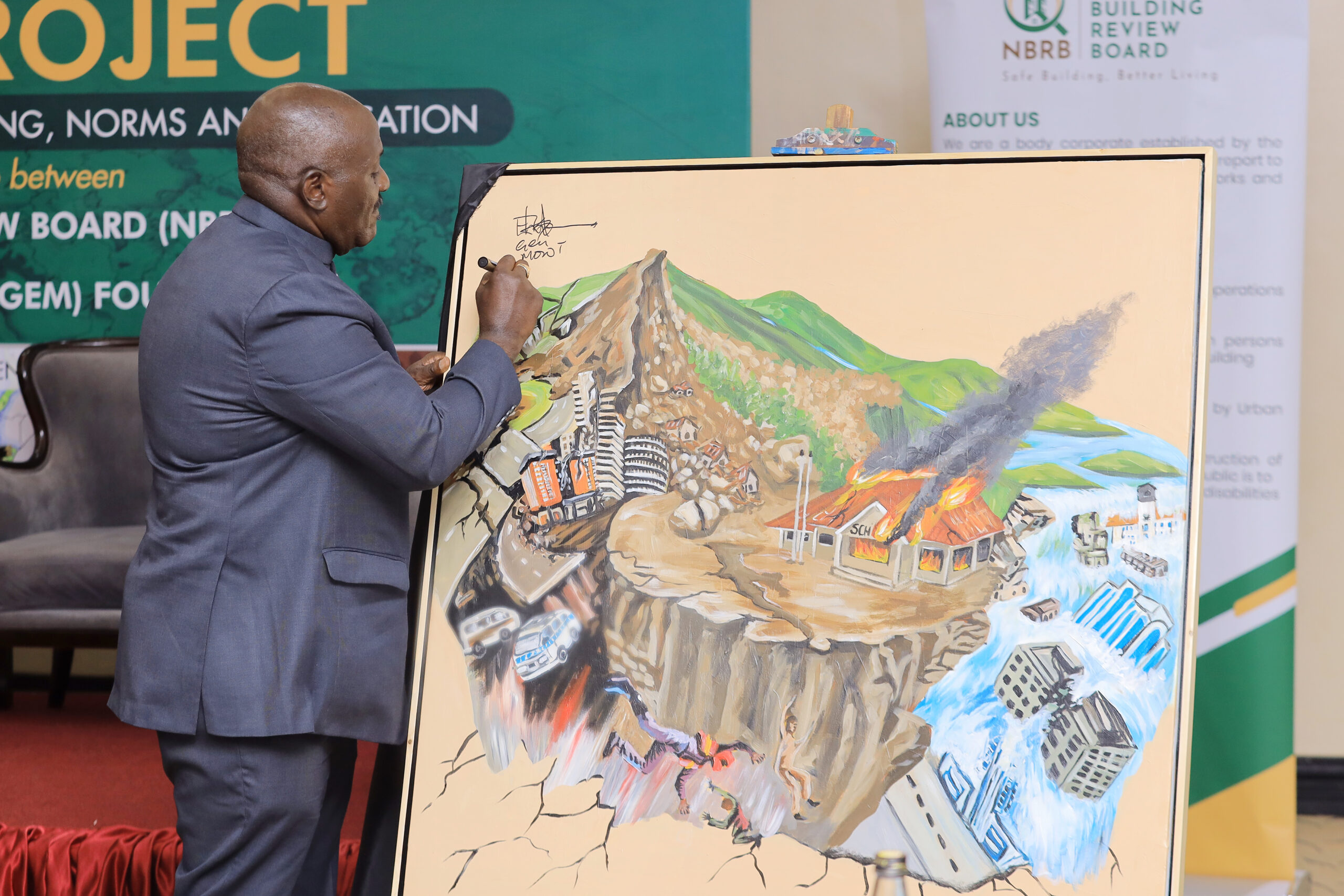
On April 16, 2026, the government launched the Scientific Evidence for Risk Engineering, Norms and Education (SERENE) Project, a partnership between the National Building Review Board (NBRB) and the Global Earthquake Model Foundation. Beyond the ceremonial speeches, the launch signalled a deeper shift in thinking, from reacting to disasters after lives and property have been lost, to anticipating risk before tragedy strikes.
“Uganda must transition from reactive disaster response to proactive, science-led risk reduction and management,” Gen. Katumba Wamala, former Minister of Works and Transport, said during the launch. “If we build safely today, we secure Uganda’s tomorrow.”
For many Ugandans, the disasters they encounter are more immediate than earthquakes. Seasonal floods routinely cut off communities and destroy livelihoods. Fires in congested urban settlements spread rapidly through poorly planned neighbourhoods. Landslides in mountainous districts continue to bury homes and displace families. Building collapses linked to poor construction standards have exposed dangerous weaknesses in the country’s fast-growing urban landscape.
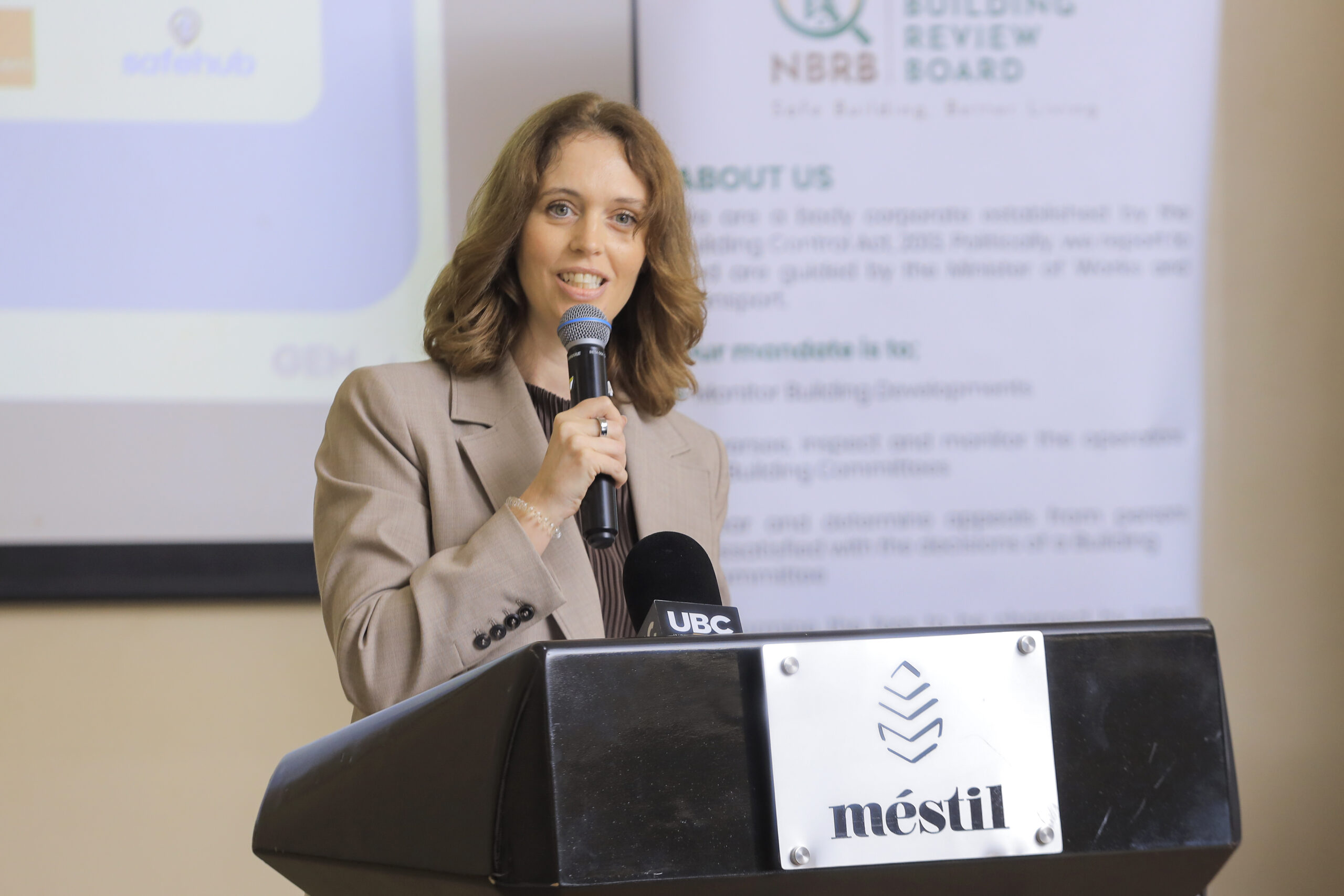
According to Helen Crowley, GEM’s General Secretary, the initiative will support the development of Uganda’s first national seismic hazard map, identify vulnerable buildings and infrastructure, and generate a seismic risk map capable of estimating potential economic losses from future earthquakes.
While the focus is seismic, the implications stretch much further. In practical terms, the project represents a move away from guesswork. Whether dealing with earthquakes, floods, fires or landslides, understanding where risks are highest and which communities and structures are most vulnerable is critical to preventing catastrophe.
“This is not simply the launch of a project,” Crowley said during the launch. “It is the start of a long-term effort to strengthen the evidence, institutions and practice needed for safer development in Uganda.”
Uganda’s geography makes the issue difficult to ignore. The country sits between the two active arms of the East African Rift System, one of the world’s most seismically active continental regions. Earthquakes are not hypothetical. They are part of Uganda’s history.
The 1966 Toro earthquake claimed 160 lives, injured thousands and destroyed more than 7,000 homes. The 1994 Kisomoro earthquake caused losses estimated at millions of dollars. Even the 2016 Bukoba earthquake in neighbouring Tanzania was strongly felt across parts of Uganda, exposing the regional nature of seismic risk.
Other disasters have left equally painful scars. The 2010 Bududa landslide buried entire communities. Floods in Bundibugyo, Mbale and Kasese have repeatedly displaced families and claimed lives. School fires, including the 2008 Buddo Junior School fire, shocked the nation and raised difficult questions about safety standards and enforcement.
Officials argue that rapid urbanisation is increasing exposure to such risks. More Ugandans are living and working in multi-storey buildings, often constructed in flood-prone or unstable areas. At the same time, concerns over substandard construction continue to grow.
For government, the challenge is no longer simply responding to disasters after they occur. The focus is shifting toward preventing ordinary hazards from becoming national tragedies.
The launch of SERENE also comes against the backdrop of directives issued by President Yoweri Museveni calling for stricter building inspections, stronger enforcement of standards and mandatory earthquake-resistant construction across the country. Officials say the project provides the scientific tools needed to turn those directives into measurable action.
Important to note is SERENE’s emphasis on local relevance. Rather than applying generic international models, the project will combine global scientific expertise with Ugandan data and local technical knowledge. Engineers, planners, regulators and researchers will receive training in hazard modelling, exposure mapping and risk assessment, helping build expertise that remains within Uganda long after the project itself ends.
The initiative is also expected to support the revision of Uganda’s seismic design code, which officials say has not kept pace with the country’s changing urban realities over the last decades.
For the construction sector, the implications could be significant. Better risk data could influence where buildings are approved, how infrastructure is designed and how local governments manage development in high-risk areas. In flood-prone communities, it could improve drainage planning and building elevation standards. In landslide-prone districts, it could shape decisions about settlement and construction. In densely populated urban areas, it could strengthen fire safety planning and emergency preparedness.
If the ambitions of SERENE are realised, Uganda’s approach to disasters—whether earthquakes, floods, fires or landslides—could begin to change fundamentally. Not simply reacting when destruction has already occurred, but identifying danger early enough to reduce its impact.
And in a country building as fast as Uganda, that shift could make all the difference.