As Uganda enters another rainy period, property owners, developers and occupants must pay closer attention to the condition of their buildings and the surrounding environment, following weather and disaster-risk alerts issued by the Government.
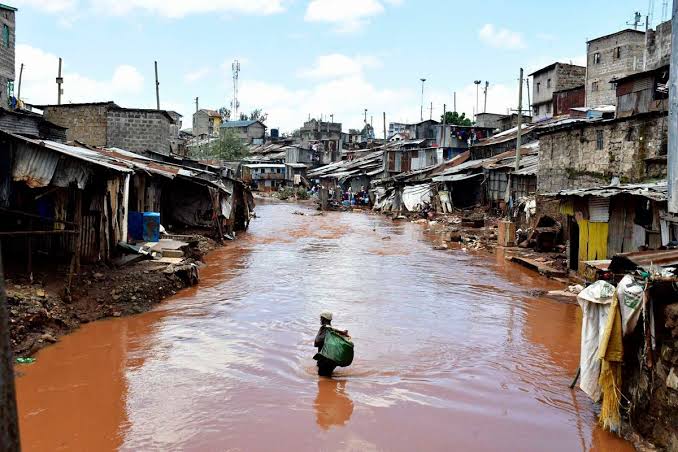
The Ministry of Water and Environment and the Office of the Prime Minister have warned of a high probability of above-normal rainfall during the September–December season, with possible flooding, landslides and damage to infrastructure.
These rains, expected across Uganda, will not only test drainage systems and roads. They will also test buildings.
For a building owner, prolonged or intense rainfall can expose weaknesses that may otherwise go unnoticed: leaking roofs, blocked drainage, eroded foundations, saturated ground, failing retaining walls and structural cracks.
That is why the Government’s recent weather warnings should also be treated as a building safety alert.
For building owners, the first question should therefore be: how will this rain affect my building?
If your building is in a low-lying area or an area with poor drainage
Low-lying areas are more likely to experience flooding and prolonged waterlogging.
When water remains around a building for long periods, it can weaken the surrounding soil, cause erosion and affect foundations. It can also enter ground floors, damage finishes and create electrical hazards. Owners should ensure that stormwater can move away from the building and that drains around the property are clear.
Heavy rain can overwhelm drains quickly, especially where channels are blocked or where large paved areas prevent water from soaking into the ground. This can cause water to collect around buildings or flow towards entrances and foundations. Check gutters, downpipes, compound drains and nearby storm-water channels. Water from the roof should be directed safely away from the building.
If your building is near a river or drainage channel
Buildings close to rivers, streams and drainage corridors may face increased risk when water levels rise. Owners should watch for erosion, changes in water flow and any signs that runoff is cutting into the ground around the property. Natural drainage routes should not be blocked or built over.
If your building is on or below a slope
Buildings in mountainous or steep areas face a different risk. Heavy rain can saturate the soil and increase the likelihood of erosion, slope movement and landslides. Owners should pay attention to cracks in the ground, leaning retaining walls, soil movement, unusual water flow or debris moving down a slope. These signs should not be ignored.
What should you check now?
A simple inspection before and during the rainy season can help identify problems early. Start with the roof. Look for leaks, loose roofing sheets, damaged tiles and weak sections. Check gutters and downpipes, and remove anything that may block rainwater flow. Inspect drainage around the building. Water should move away from the structure, not remain against walls or foundations. Look closely at walls, columns and floors for new or widening cracks, leaning walls, sinking floors or other unusual movement.
Check the ground around the foundation for erosion, exposed footing, waterlogging, or soil washing away. Where the building is on a slope, inspect retaining walls for cracks, bulging or leaning. After flooding or water entry, take extra care around electrical installations and have affected systems checked before use.
Small signs can become serious problems.
Rain does not always cause a building problem on its own. In many cases, it exposes an existing weakness. A blocked drain can direct water towards a foundation. A leaking roof can damage structural timber. Erosion can gradually undermine a wall. Saturated ground can worsen an existing crack.
The important thing is to identify these signs early and act before the condition becomes dangerous. Where significant cracks, movement, erosion or structural distress are observed, owners should seek assessment by a competent professional.
Report unsafe buildings
If a building shows signs of possible failure, serious structural distress or rain-related damage, it should be reported promptly. Reports may be made to the area Local Government authority, Building Committee, which is responsible for building control within its jurisdiction.
Cases requiring further regulatory attention may also be reported to the National Building Review Board through our toll-free line: 0800220746 or WhatsApp: +256 705 559482.
As the rains intensify, the safest building is not simply one that keeps the rain out. It is one that is properly drained, regularly maintained and checked early when signs of distress appear.