
By Eng. Lubega Isaac Sempogo and Eng.Picho Jerry
Lightning strikes are emerging as a silent but deadly threat across Uganda, claiming lives, injuring dozens, and exposing critical gaps in safety infrastructure, particularly in schools and rural communities.
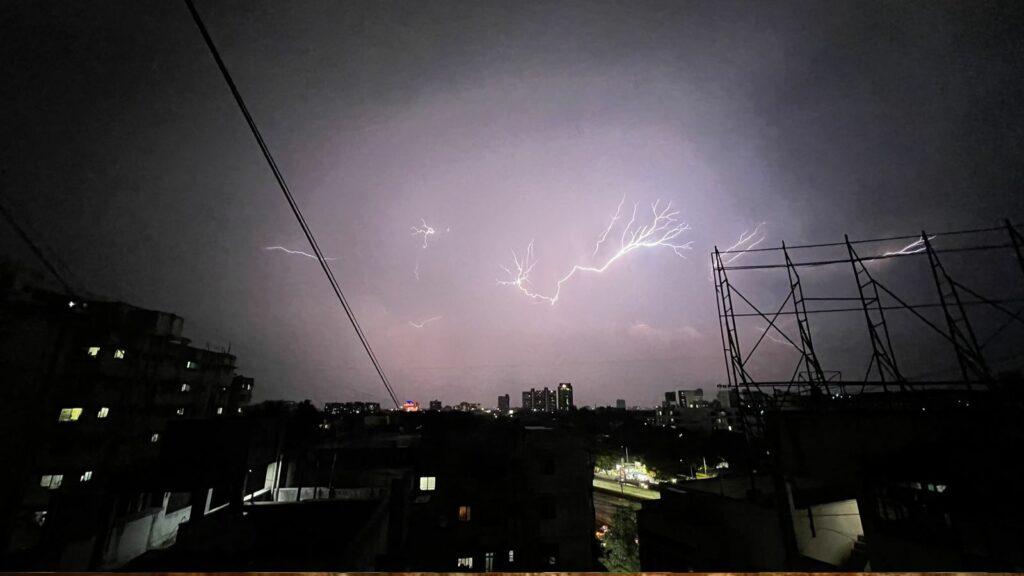
Lightning, a powerful electrostatic discharge occurring within the atmosphere, can heat the air to temperatures as high as 30,000°C, hotter than the surface of the sun. While most lightning occurs within clouds, it is cloud-to-ground strikes that pose the greatest danger, often with devastating consequences.
In recent years, Uganda has witnessed a worrying increase in lightning-related incidents, especially during the rainy seasons of March to May and September to November. The Northern, Western, and West Nile regions have been among the hardest hit.
In February this year, two pupils were killed when lightning struck St. Mary’s Primary School in Bushenyi District. Just months earlier, in November 2025, another pupil died and five others were severely injured at St. Augustine Nursery and Primary School in Buliisa District after a similar incident.
One of the deadliest tragedies occurred in November 2024, when lightning struck a church at Palabek refugee settlement in Lamwo District, killing 14 people, most of them children and injuring 34 others. Earlier that year, dozens of pupils in Nebbi District were struck while playing football, while separate incidents in Dokolo, Kisoro, and Iganga districts left multiple fatalities.
These cases are not isolated. In August 2020, ten children were killed in Arua City after seeking shelter during a storm, while in February 2020, lightning killed four endangered mountain gorillas in Mgahinga National Park.
Experts say several factors are contributing to the rising death toll. Chief among them is the lack of lightning protection systems in many buildings, particularly older schools, places of worship, and homes in rural areas.
“Most structures in high-risk areas are simply not protected,” an electrical safety expert noted. “Even where systems exist, they are often poorly maintained or non-functional.”
Environmental degradation is also playing a role. The cutting down of trees, once natural lightning interceptors has increased exposure in many communities. Additionally, Uganda’s geography, including high-altitude regions and proximity to large water bodies, makes certain areas more prone to intense thunderstorms.
Uganda’s National Building Code (2020) requires that all public buildings, including schools, hospitals, churches, and halls, be equipped with lightning protection systems. These systems typically include lightning rods, down conductors, grounding systems, and surge protection devices designed to safely channel electrical energy into the earth.
However, enforcement remains weak, and cost is a significant barrier. Installing a lightning protection system can cost approximately UGX 7 million for a single-storey structure and up to UGX 15 million for multi-level buildings,figures that are out of reach for many institutions.
To address this challenge, experts are promoting low-cost alternatives. These include the use of locally available materials such as rice husks and natural salts to improve grounding systems, reducing costs by about UGX 1 million. In some rural settings, properly managed trees are also being considered as natural lightning arresters, though they must be carefully positioned to avoid additional risks.
As lightning strikes continue to claim lives, stakeholders are calling for urgent action. Increased investment in protection systems, stricter enforcement of building regulations, and greater public awareness are seen as critical steps in reducing the risk.
For many Ugandans, particularly schoolchildren, the danger is real and immediate. Without decisive intervention, lightning will remain an unpredictable force, turning ordinary rainy days into moments of tragedy.