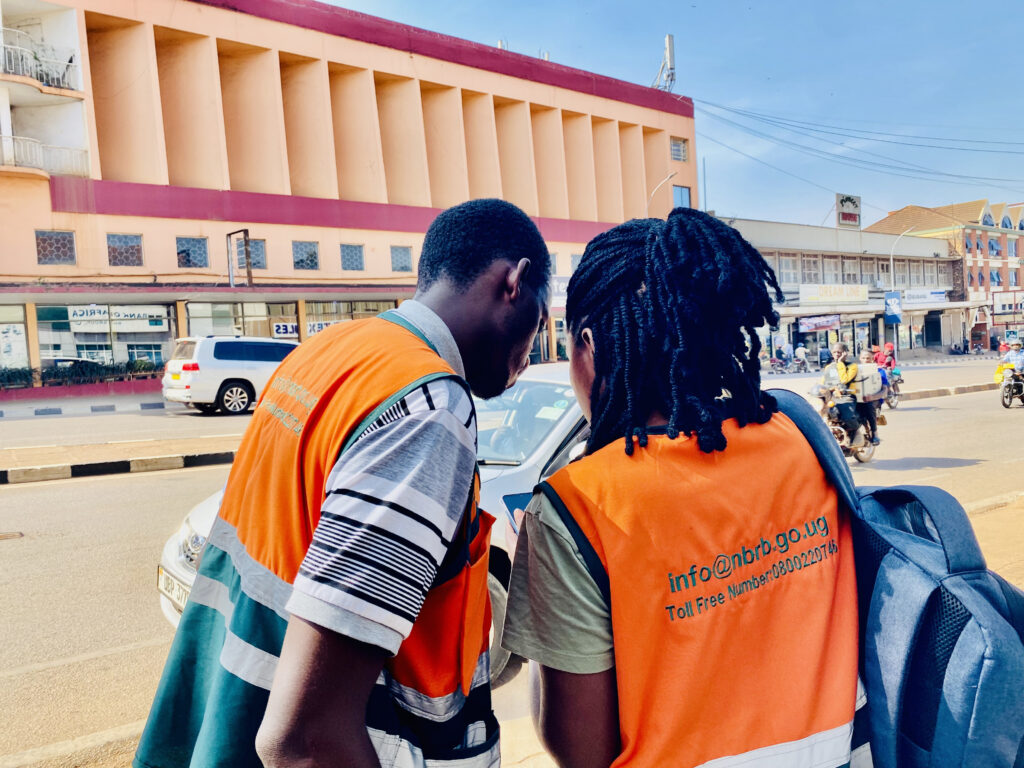
The Government of Uganda has completed the first phase of its earthquake resilience assessment in Kampala, with about 5,000 buildings screened for seismic vulnerability and compliance with building safety requirements.
The assessment, conducted under the Rapid Visual Screening (RVS) Programme led by the National Building Review Board (NBRB), is now moving beyond Kampala into the wider Greater Kampala Metropolitan Area.
The next phase of the exercise will cover Kira, Wakiso, Entebbe, Makindye Ssaabagabo, Mukono and Mpigi, as the government expands efforts to establish a clearer picture of the safety and resilience of the country’s rapidly growing built environment.
The programme is part of broader government efforts to strengthen preparedness for earthquake risks, improve compliance with building regulations and identify structures that may require further investigation, intervention or retrofitting.
The exercise follows President Yoweri Museveni’s directive under Executive Order No. 1 of 2023, which called for stronger national preparedness against earthquake hazards. The directive provides for nationwide building safety audits, establishment and enforcement of earthquake-resistant building standards, assessment and retrofitting of vulnerable buildings, and strengthening of disaster preparedness and response systems.
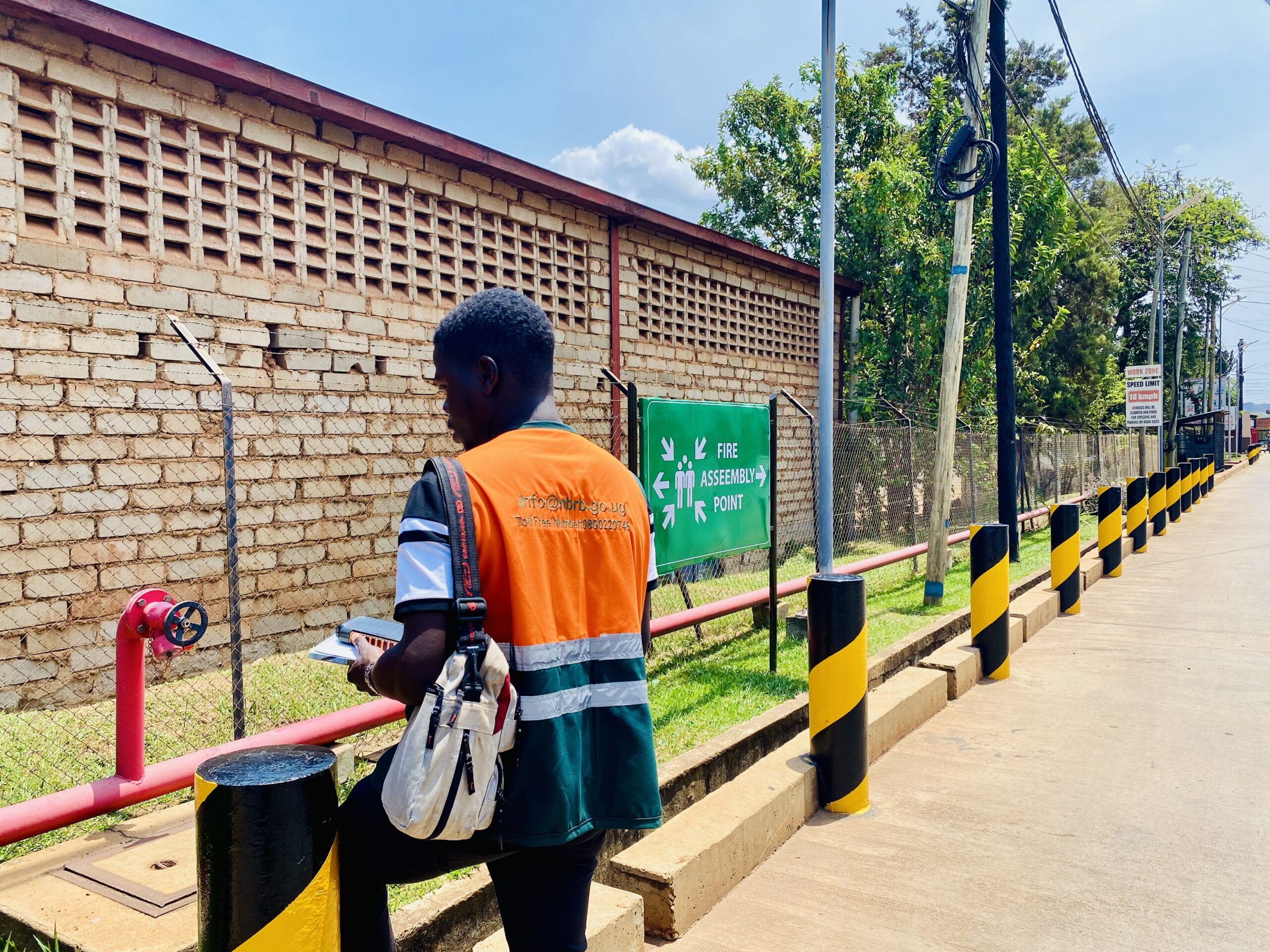
The completion of the Kampala phase marks an important step in implementing the directive, with the screening programme now extending to neighbouring urban and peri-urban areas that form part of the Greater Kampala metropolitan growth corridor.
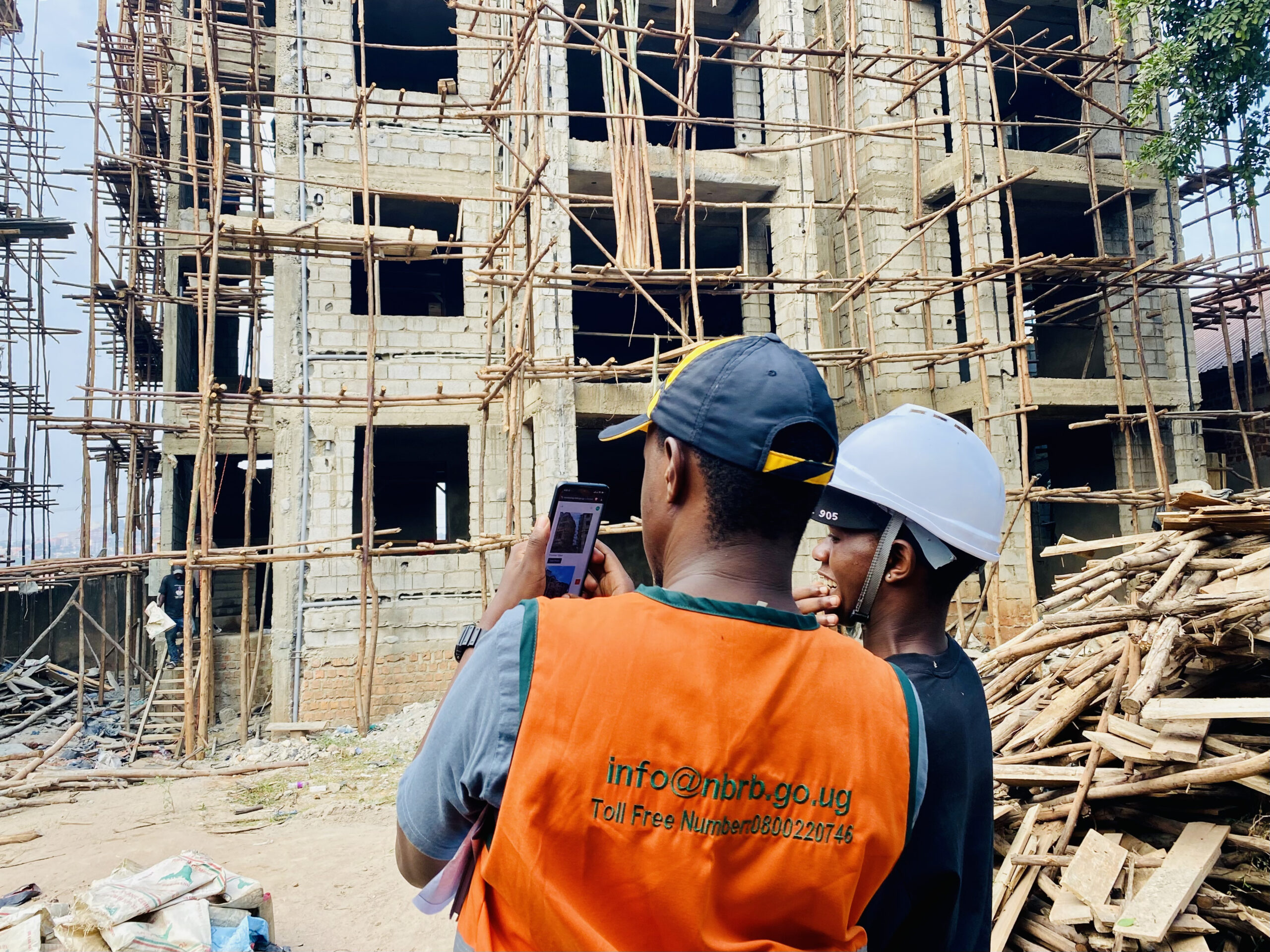
Unlike detailed structural investigations, Rapid Visual Screening is designed to provide an initial assessment of buildings based on visible characteristics and other relevant information. The approach enables authorities to screen large numbers of buildings and identify structures that may require more detailed technical assessment.
The exercise involves trained graduate trainees from universities working as screeners under the supervision of the National Building Review Board, Building Committees and Building Control Officers.
The screeners use an RVS checklist and a Compliance Monitoring Tool to collect information on the condition and characteristics of buildings, as well as their compliance with Uganda’s building control legal framework.
The assessment process includes structured interviews with developers, caretakers and site supervisors, visual inspection of buildings, review of available construction documents and collection of compliance information through door-to-door surveys at parish and ward level.
The information gathered is subjected to regular review, independent validation and field checks to improve the reliability of the results.
Uganda is exposed to earthquake hazards because it lies within the active East African Rift System. Seismic activity in the country is influenced by geological structures including the Katonga Belt, Rwenzori Fold Belt and Aswa Shear Zone.
Western Uganda has historically recorded the highest concentration of earthquake activity. However, seismic events in other parts of the country have demonstrated that earthquake risk is not limited to the west.
Historical earthquakes include the destructive 1966 Tooro earthquake and the 1994 Kisomoro earthquake, both of which were associated with deaths, injuries, destruction of buildings and significant economic losses.
More recently, on 31 May 2026, an earthquake measuring magnitude 4.4 occurred near Nakasongola and was felt across several parts of the country.
Reports indicated that the tremor was experienced in areas including Kampala, Lira, Apac, Gulu, Nakasongola, Masindi, Luwero, Wakiso, Mbale, Jinja and areas around Lake Kyoga. Preliminary assessments reported no significant damage or loss of life.
The recent seismic activity has reinforced the need for continued monitoring, preparedness and assessment of the built environment, particularly in densely populated and rapidly developing urban areas.
After completing the Greater Kampala phase, the exercise will be extended to other parts of the country, prioritising areas with a history of significant seismic activity, particularly districts and urban centres in western Uganda.
The expansion will allow the government to build a nationwide database on the vulnerability of buildings, identify areas requiring detailed structural assessments and guide targeted measures such as enforcement, strengthening and retrofitting of vulnerable structures.