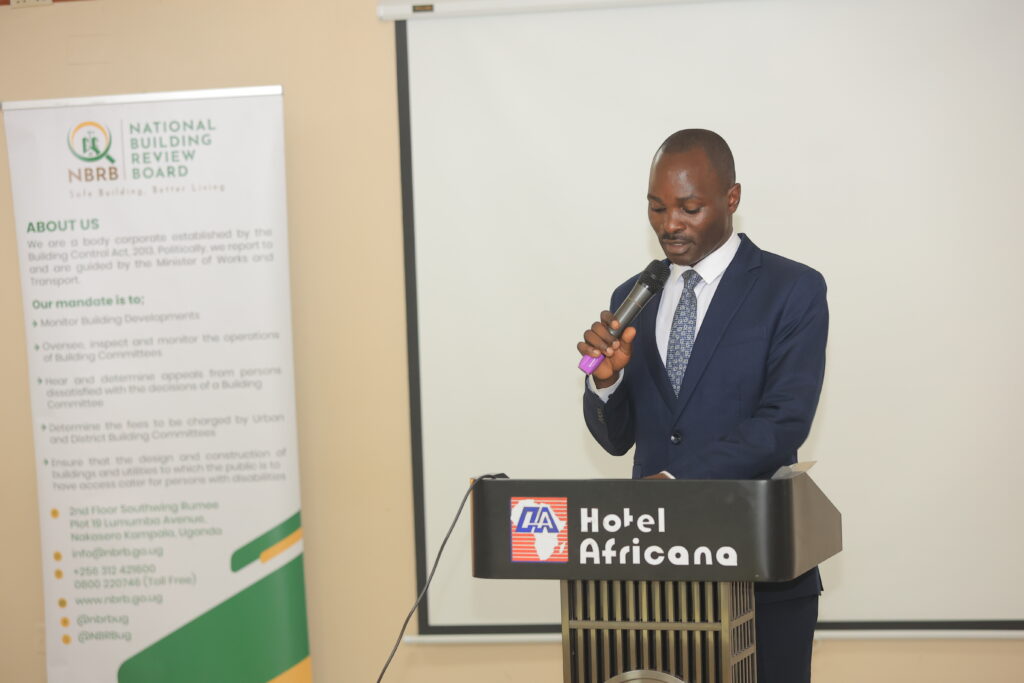
The Minister of Works and Transport, Hon. Fred Byamukama, has launched the Rapid Visual Screening (RVS) Program for Earthquake Resilience, a government initiative aimed at rapidly assessing the seismic safety of buildings in the Greater Kampala Metropolitan Area amidst growing concerns over earthquake risk in Uganda.
Speaking at the official launch held at Hotel Africana, Byamukama noted that the exercise marks a major milestone in Uganda’s commitment to infrastructure integrity and proactive disaster risk management.
The launch follows President Yoweri Museveni’s Directive through the Executive Order No. 1 of 2023, in which he directed the government to strengthen the country’s preparedness against earthquake risk through nationwide building safety audits, establishment and enforcement of earthquake-resistant building standards, assessment and retrofitting of vulnerable buildings and strengthening disaster preparedness and response systems.
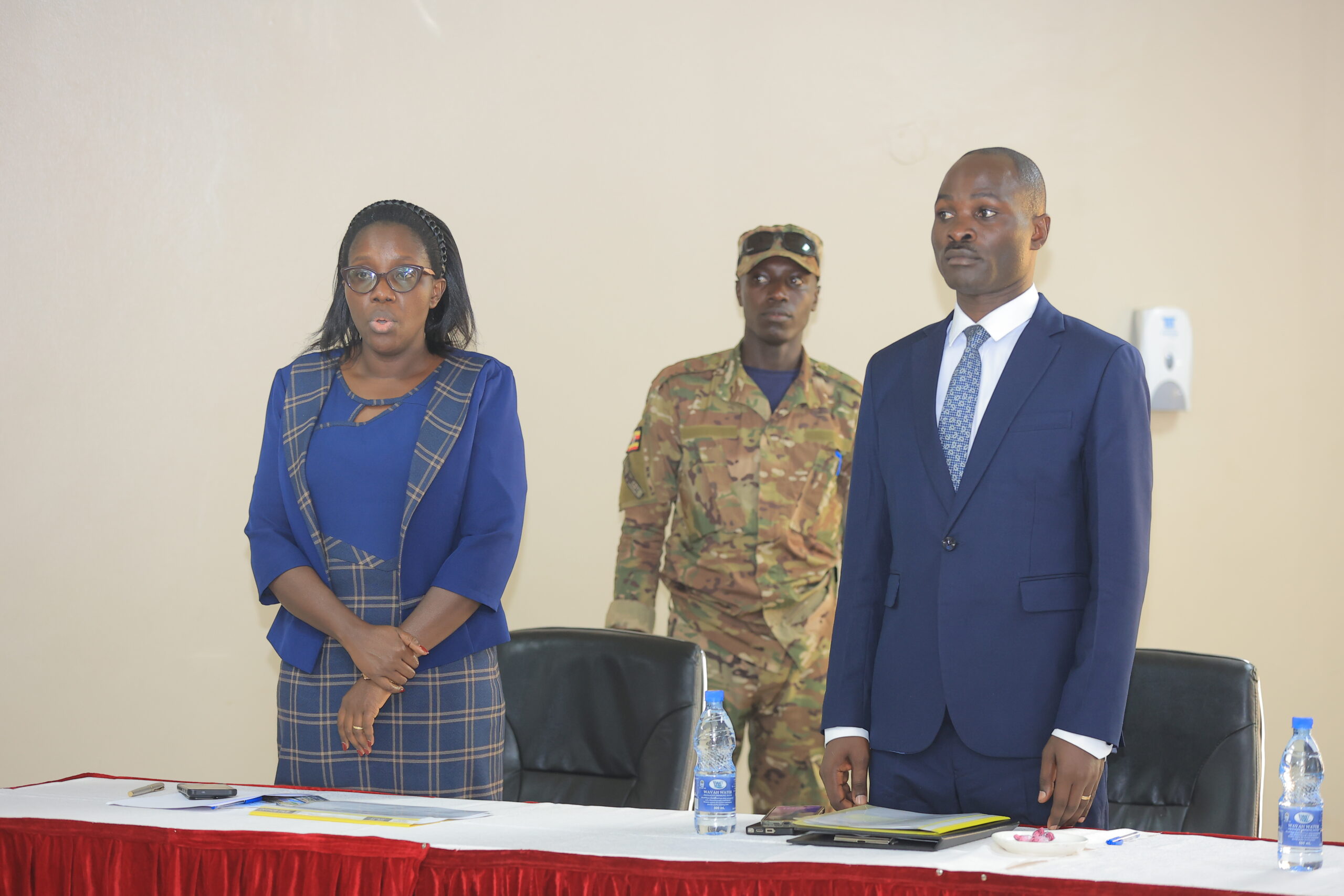
“We must respond to the president’s directive since the safety of Ugandans and their property is the responsibility of government. We will therefore expand this study beyond Kampala to cover the entire country especially the most seismically active areas of Western Uganda”.
Uganda is exposed to earthquake hazards because it lies within the active East African Rift System (EARS), with seismic activity influenced by structures such as the Katonga Belt, Rwenzori Fold Belt, and Aswa Shear Zone.
Historical records show that Uganda has experienced earthquakes of significant magnitude, including the destructive 1966 Tooro earthquake and the 1994 Kisomoro earthquake, which caused deaths, injuries, building destruction, and substantial economic losses.
These events demonstrate that earthquakes remain an important natural hazard for the country.
Although western Uganda has historically recorded the highest concentration of earthquake activity, recent events demonstrate that seismic hazards also extend into central Uganda.
On 31 May 2026, an earthquake of magnitude 4.4 occurred near Nakasongola and was felt across several parts of Uganda, including Kampala, Lira, Apac, Gulu, Nakasongola, Masindi, Luwero, Wakiso, Mbale, Jinja, and areas around Lake Kyoga. Preliminary assessments reported no significant damage or loss of life.
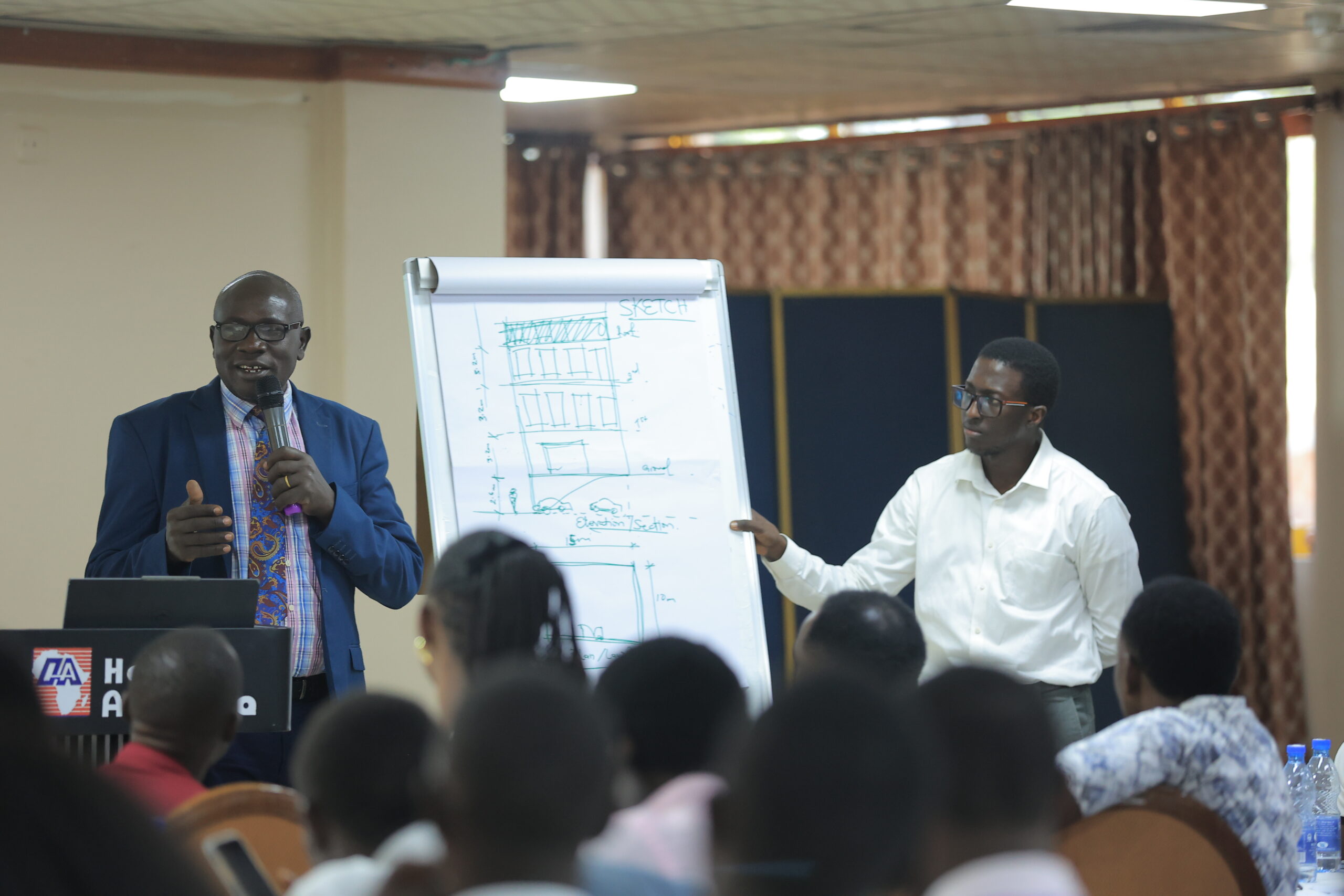
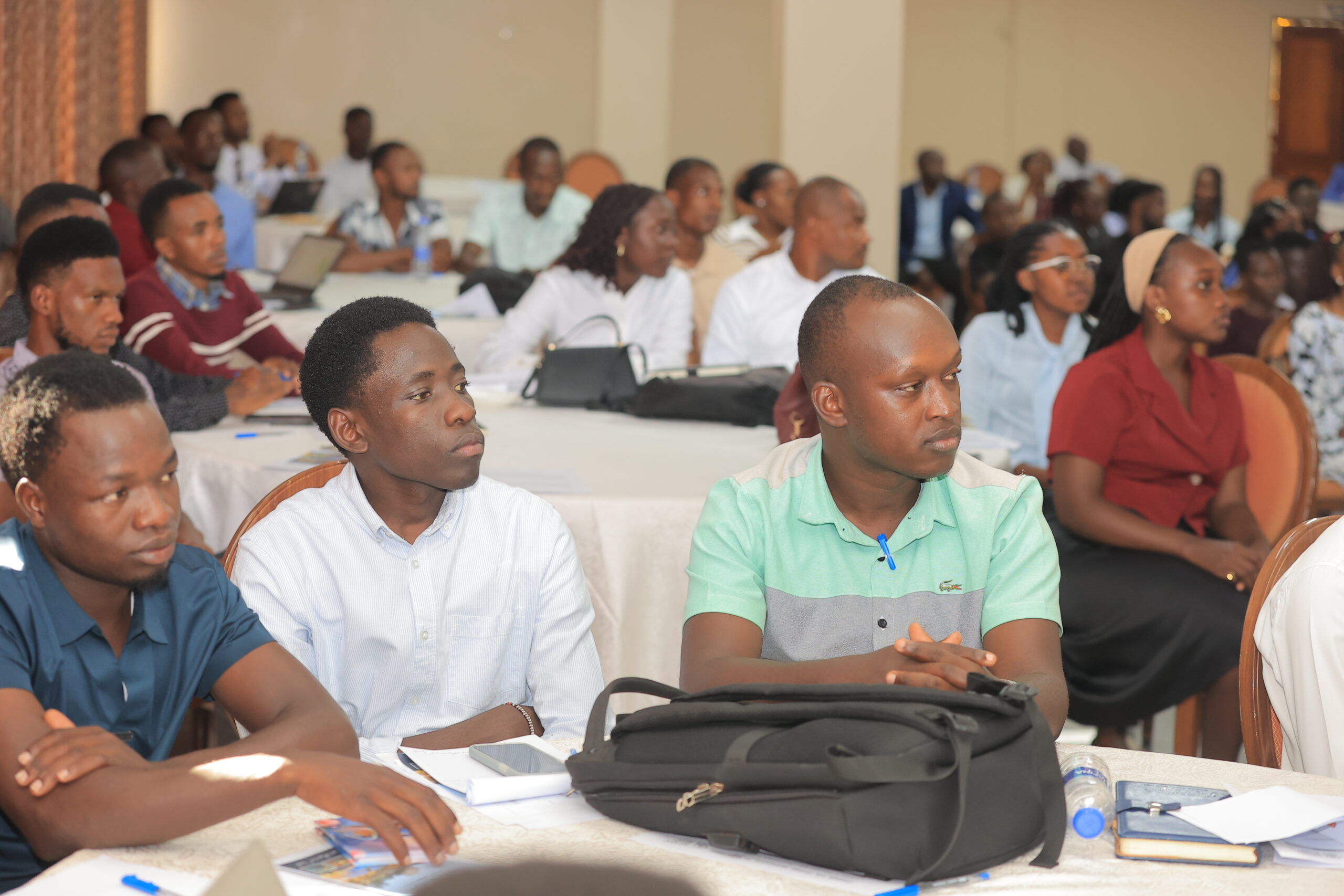
The launch came after training graduate trainees from universities who, as screeners, will carry out the screening exercise under the supervision of the National Building Review Board, the Building Committees and Building Control Officers.
According to the Executive Secretary of the Board, Eng. Flavia Bwire, the screeners were equipped with the Rapid Visual Screening methodology for assessing seismic vulnerability, together with a Compliance Monitoring Tool for evaluating adherence to Uganda’s building control legal framework.
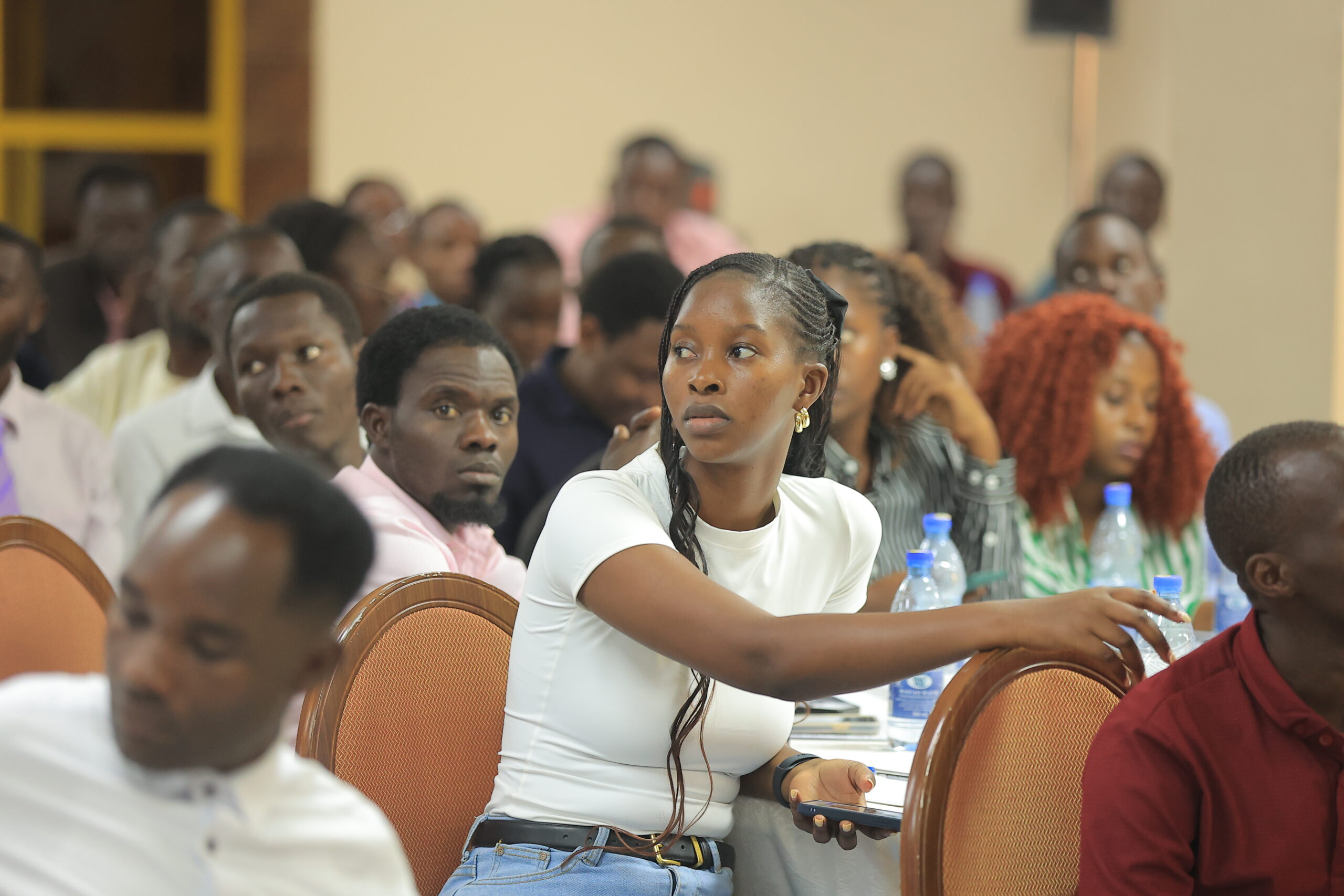
The screeners will conduct structured interviews with developers, caretakers, and site supervisors, carry out visual inspections using the RVS checklist, review construction documents, and record compliance data through door-to-door surveys at parish and ward level.
Their work will be subject to regular review, independent validation, and impromptu field checks to ensure the accuracy of findings.
“A rushed or careless assessment does not just weaken our statistics; it can mean a genuinely dangerous building gets overlooked, or a safe building gets unnecessarily flagged,” Eng. Bwire told the enumerators, urging them to carry out their work with professionalism, consistency, and honesty.
The most recent compliance monitoring of buildings in Kampala by NBRB revealed that overall compliance of buildings with the legal framework stood at 12.6%, compliance with building permits at 0.6% and involvement of a qualified professional in building operations at only 0.9%, while compliance with basic safety requirements stood at 15.2%.
The Board’s pilot screening of buildings towards earthquake resilience in Fort Portal, Mbarara and Hoima revealed that nearly 90% of buildings assessed in Fort Portal City required further investigation or intervention before they could be considered earthquake-safe, while a screening of school buildings in Mbarara, Fort Portal, and Hoima found that 6% needed urgent structural intervention and a further 59% needed deeper structural assessment.
This situation further underscores the relevance of the study.
The outcomes of the exercise will provide the government with important data for improving building safety and earthquake preparedness. The results will be used to classify buildings according to their risk levels and prioritise vulnerable and densely occupied structures for intervention or retrofitting.
The compliance findings will also support enforcement of the national building code and guide urban planning in Kampala and other growing towns.