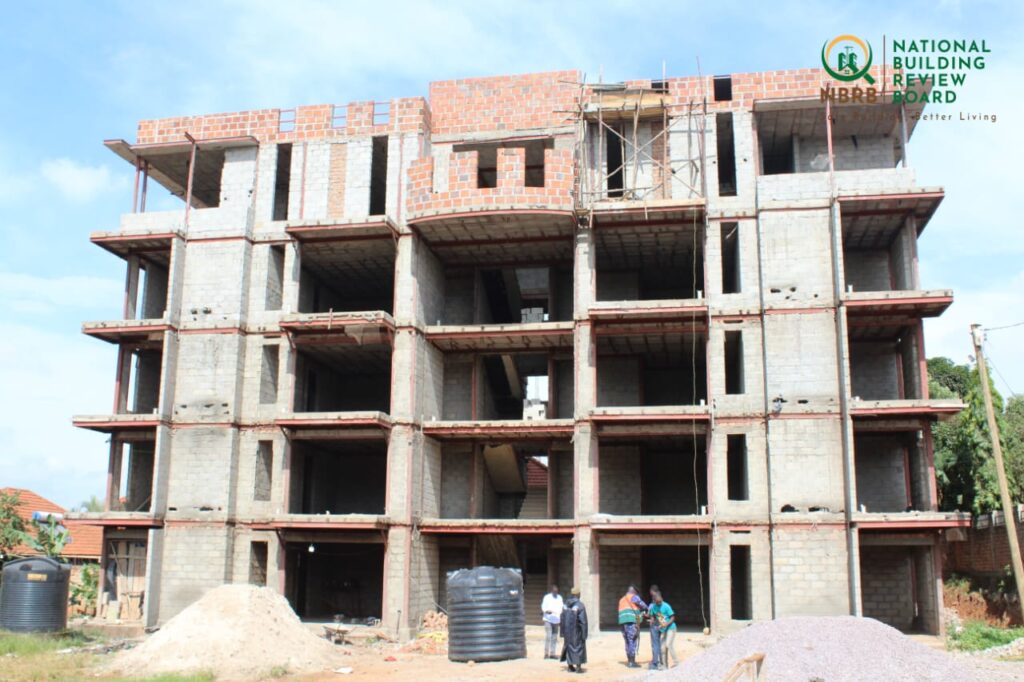
The National Building Review Board (NBRB) has intensified enforcement against illegal construction practices in the Greater Kampala Metropolitan Area (GKMA), targeting developers who continue to use the Steel, Timber and Concrete (STC) composite construction method, despite its prohibition by the government.
The enforcement exercise, conducted in collaboration with the Uganda Police, covered several areas in Greater Kampala Metropolitan North, including Nansana Municipality, Kira Municipality, Kasangati Town Council, and Wakiso Town Council.
The operation focused on developers who have repeatedly ignored regulatory directives and continued construction using prohibited building methods, even after receiving formal stop orders from the board and area building committees.
Over 30 Illegal Developments Investigated
During the exercise, more than 30 case files were handled involving illegal construction sites. Several developers have since been brought in for questioning, while others remain at large.
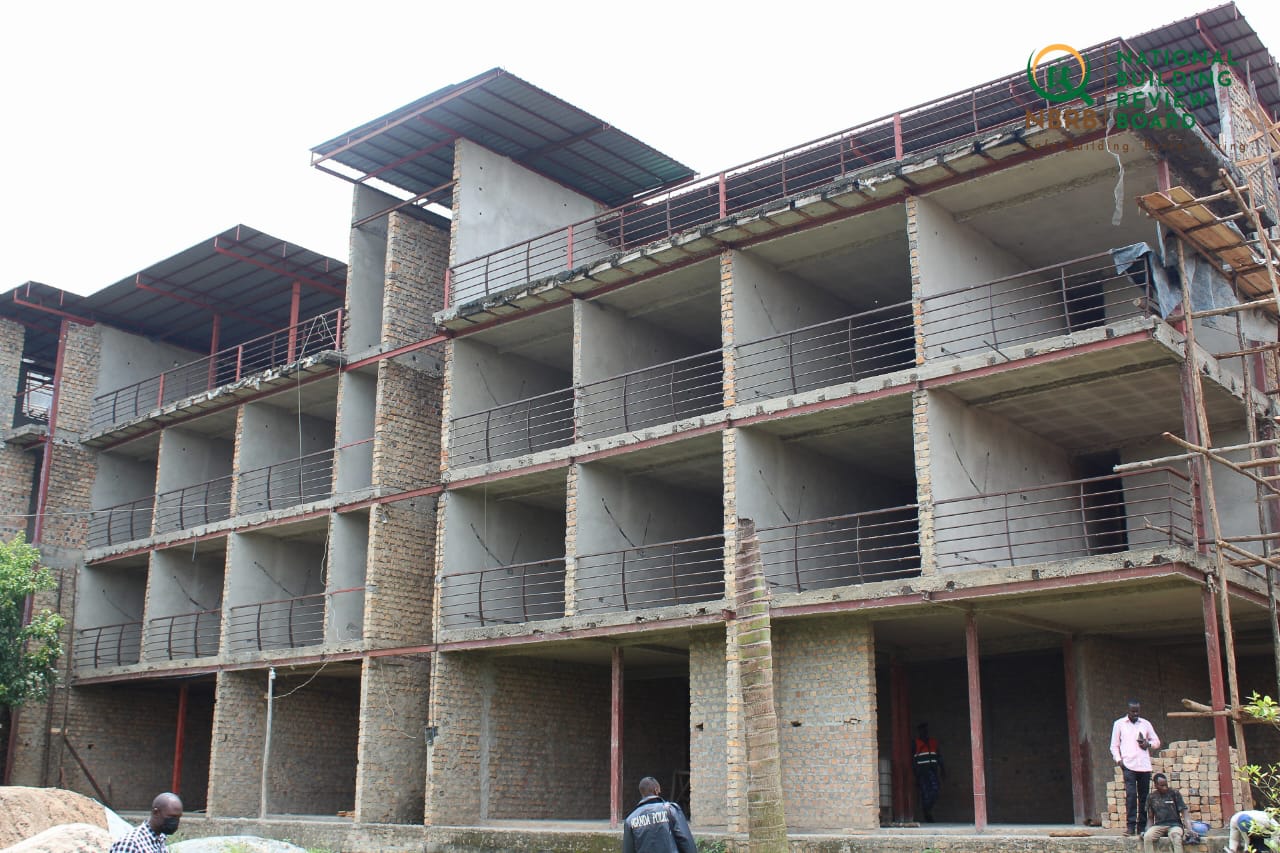
The enforcement team also inspected several completed buildings that were already occupied.
In cases where structures were found unsafe or non-compliant, residents were advised to vacate the premises as a precaution.
Investigations revealed that many of the projects involved multi-storeyed residential apartments, with some developers also constructing commercial high-rise buildings without complying with approved construction standards.
Among the areas inspected, Kira Municipality recorded the highest number of violations, with at least 15 developments identified using the prohibited construction method.
Some of these buildings had already been completed and were under occupation despite lacking approved occupation permits, raising serious safety concerns.
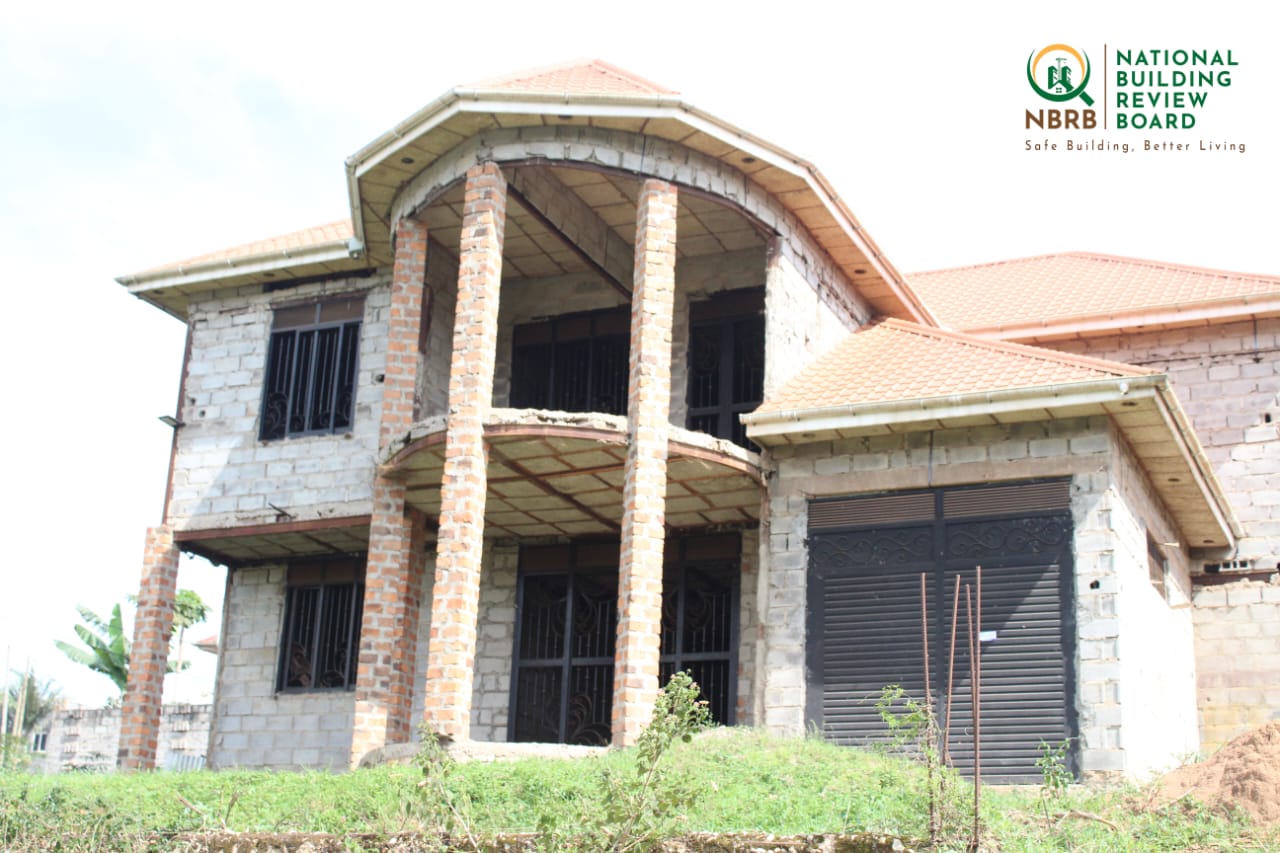
NBRB emphasized that occupation permits are mandatory and serve as confirmation that a building has been inspected and deemed safe for use.
What is STC
Steel–Timber–Concrete (STC) composite construction is a building method in which steel, timber, and concrete are combined to work together and support a building. Steel beams provide the main strength, timber forms the framework, and a concrete slab is cast on top to create the floor.
Why was it prohibited?
NBRB constituted a multi- disciplinary team of professionals to study the method, and the findings of the study revealed significant barriers that rendered this building method risky and unsafe, thus posing danger to public. The findings included;
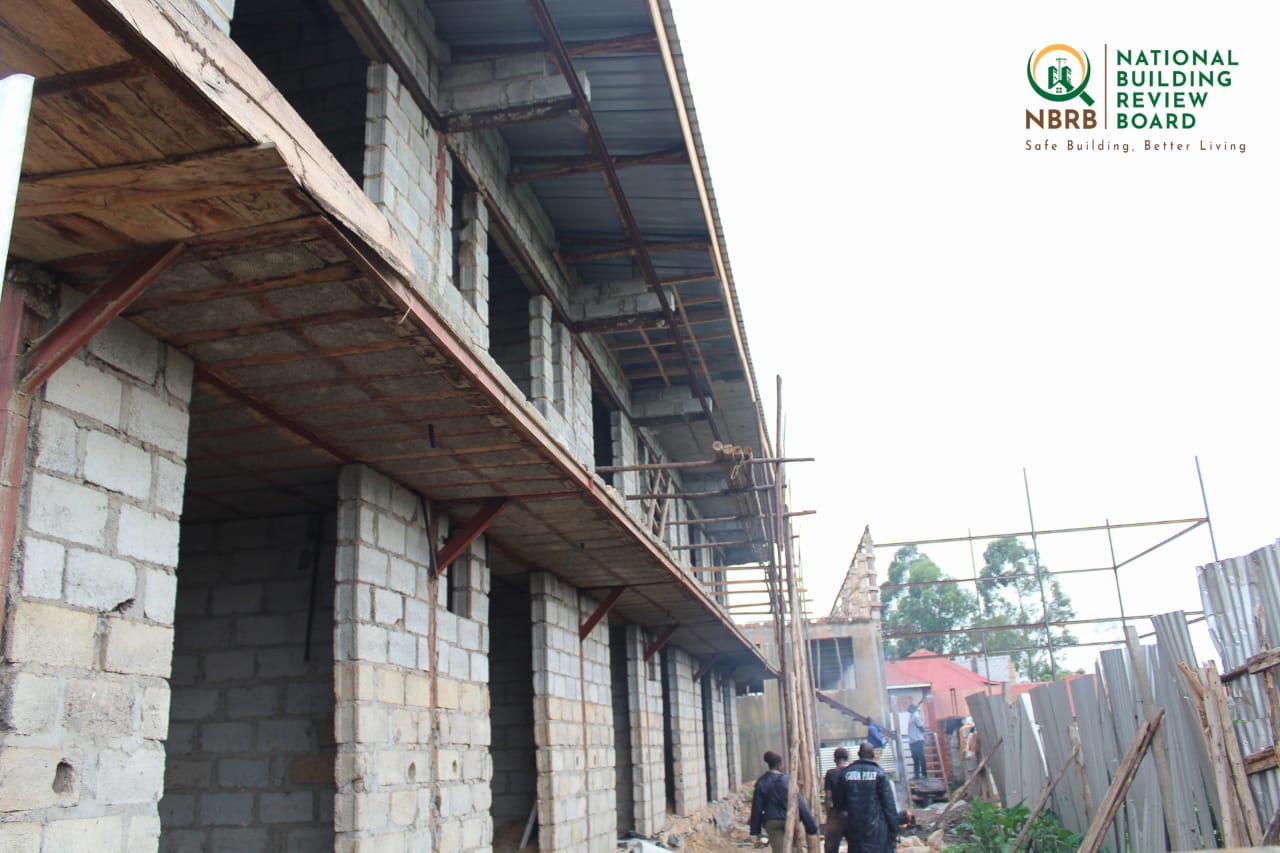
- Inadequate skilled work force in structural steel structures in terms of design, erection and construction supervision;
- Timber, one of the materials being used is currently not graded and its quality parameters are unknown;
- There are no design standards/ guidelines to support the technology both during design and implementation;
- Safety aspects have not been considered in design and implementation of this technology such as the fire risk and earth quake resistance;
- For the sites that were inspected, none of the drawings were endorsed by professionals and neither was building permission obtained from the local authority.
The Board will continue with these operations and enforcement of building standards across the country.