By Eng. Jeffery Kato, Senior Investigations Officer, NBRB
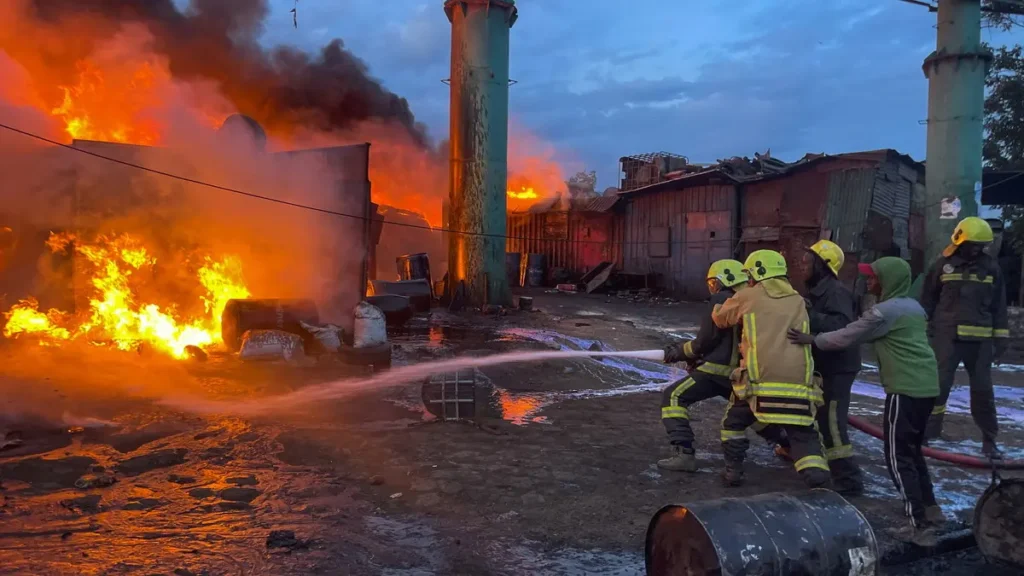
Uganda has experienced a substantial increase in fire incidents resulting from electrical faults and human error in recent years.
While many of these incidents are preventable, they continue to pose serious risks to the safety of citizens and property.
From bustling markets and crowded dormitories to office towers and private homes, flames have destroyed livelihoods, property, and, in the worst cases, lives. Behind the smoke lies a troubling question: who is burning us?
This is not an accusation but a cry for answers in a country where fires are too common to dismiss as mere coincidence yet too complex to attribute to a single cause.
As Ugandans rebuild again and again, it becomes necessary to confront the patterns, probe vulnerabilities, and understand the forces visible and invisible, fuelling these devastating incidents.
Investigations by the National Building Review Board (NBRB) reveal that 52% of the fires are occurring in commercial buildings, 35% in Schools and 13% in residential buildings.
Although many of these fires are attributed to human action (arson fires deliberately set), electric failures are increasingly becoming evident in recent incidents.
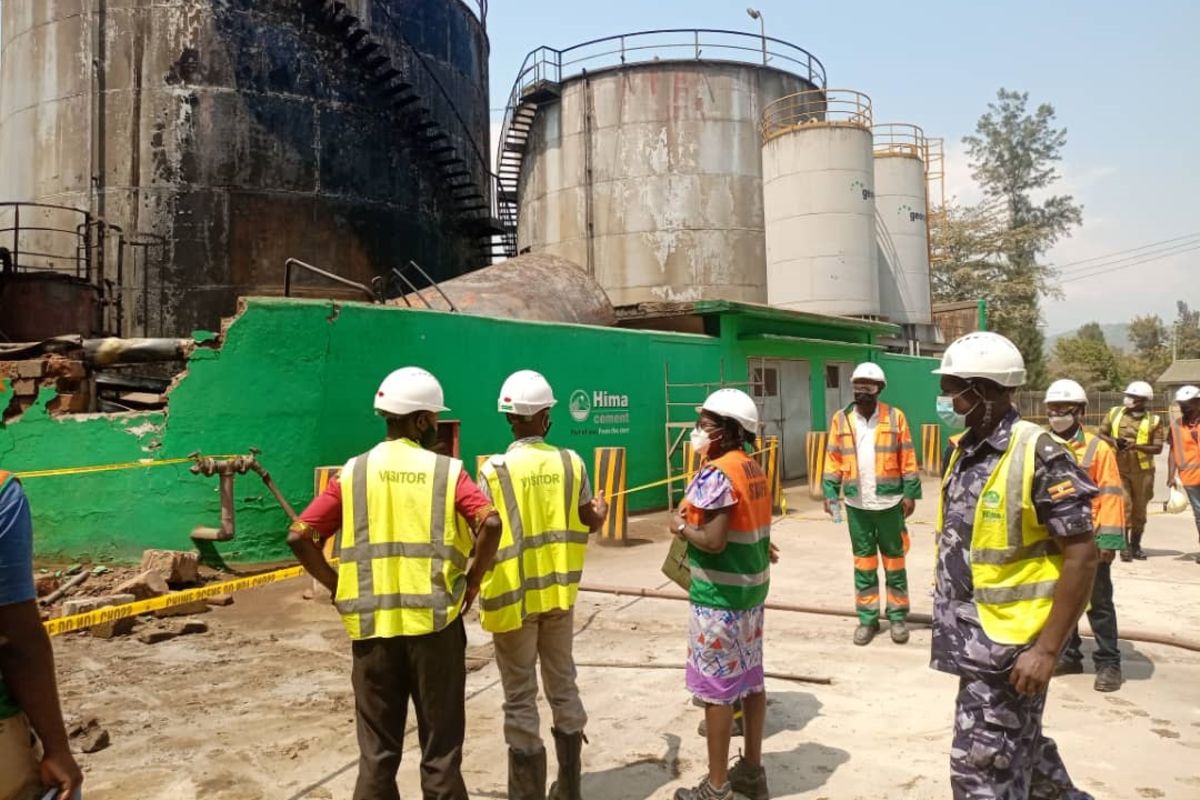
At Kasaana Junior School in Masaka, for example, a dormitory fire was caused by a phone left charging overnight, while the fires at Hima Cement in 2022 and at National Theatre were attributed to welding and grinding mishaps.
Many of these incidents could have been prevented through simple safe practices, yet tragically, most of them led to loss of life and property.
National Building Codes
Many of these electric fires can be prevented if we adhere to the Building Codes, specifically the National Building (Standards for Electrical Installations in Buildings) Code, 2019.
The codes provide clear guidelines and standards for electrical installations within buildings, covering wiring, installation, and maintenance.
A key requirement of the Codes is safe and proper electrical installation. This includes using high-quality wiring, circuit breakers, and other protective devices certified by the Uganda National Bureau of Standards.
Only certified electricians, trained in these codes and issued appropriate permits under the Electricity (Installation Permits), are permitted to work on installations.
Another important aspect is the proper use of Current Protection Devices, specifically Residual Current Devices (RCDs), which work in conjunction with Miniature Circuit Breakers (MCBs) to prevent electric shocks, electrocution, short circuits, and electrical fires.
Beyond preventing fires, these devices are critically important in protecting against electric shocks, especially in children.
Research shows that children above four years are increasingly vulnerable to injuries, including burns, electrocution, and other hazards.
Although older children (15–19 years) are more prone to road traffic accidents, drowning, and burns, electrocution remains a serious risk in environments where electrical installations lack adequate protection.
Dormitories and schools, where children interact daily with socket outlets, extension cords, and appliances, require additional safety layers to minimize these risks.
RCDs are designed to detect leakage currents often caused by damaged insulation, wet environments, faulty appliances, or accidental contact and disconnect power within milliseconds.
These devices are essential in school settings, where children may unknowingly expose themselves to hazardous electrical points.
Findings from school inspections revealed potential electrocution points, including balcony sockets and ironing areas located in communal spaces.
Although consumer units often have overload and short-circuit protection, many lack RCD protection against electrocution, leaving users exposed to life-threatening leakage currents.
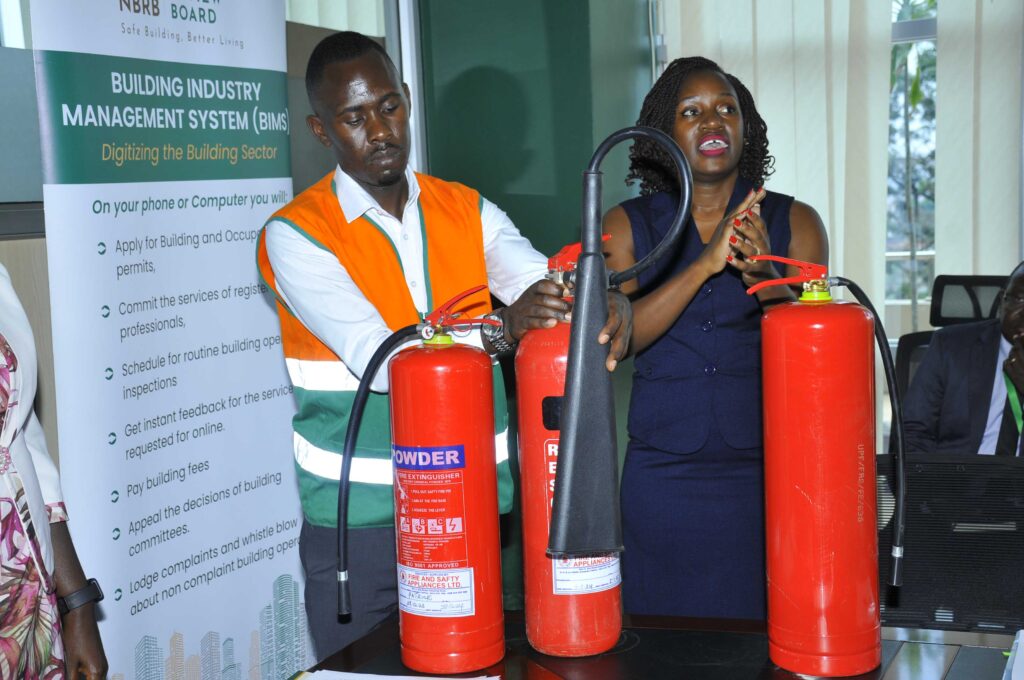
Studies and guidance from Schneider Electric and other researchers reaffirm that RCDs are the most effective means of preventing electric shocks by identifying small residual current changes and cutting off the supply instantly.
Ensuring that these devices are correctly rated, properly installed, and routinely tested greatly enhances safety and aligns with National Building Code requirements for modern electrical protection systems.
The Codes also address overloading, which occurs when too many appliances share a single circuit, causing overheating and fire risks. Adhering to load limits is essential for electrical safety.
Regular maintenance is another critical aspect of fire prevention. The Codes recommend routine inspections to identify and rectify potential hazards before they escalate. This ensures occupant safety and extends the lifespan of electrical systems.
Additionally, the Codes promote the use of fire-resistant materials in construction, such as fire-retardant cables and self-extinguishing plastics. These materials slow the spread of fire and minimize damage, giving occupants more time to evacuate safely.
The National Building Code also emphasizes the importance of lightning protection systems, particularly in a country with high lightning activity.
Buildings must be equipped with properly designed and maintained lightning protection measures—including air terminals, down conductors, and earthing systems—to prevent structural damage and electrical surges.
Failure to install or maintain these systems has previously resulted in serious incidents, such as the 2021 fire at Ashiana Restaurant on Bandali Rise.
This tragedy serves as a reminder that compliance with lightning protection standards is not optional but essential for safeguarding lives and property.
Lightning-protection-system-1024x571.webp)
As Uganda accelerates its transition to renewable energy, Solar Photovoltaic (PV) systems have become increasingly common in schools, homes, and commercial facilities.
However, the Building Codes highlight that these installations must be designed and protected with equal vigilance. Solar PV systems, when improperly wired or insufficiently protected, can introduce risks such as overheating, arcing, and electrical fires.
A recent incident at Lira VH Public School in 2024, where a fire originated from a solar PV installation, underscores this concern.
To prevent such occurrences, the Codes require proper sizing of components, surge protection devices, safe routing of DC wiring, and regular inspection of panels, inverters, and protective equipment.
When these systems are installed in accordance with national standards, they remain safe and effective contributors to Uganda’s renewable energy goals.
It is the shared responsibility of the government, construction professionals, developers, and building owners to ensure buildings meet required safety standards.
Through education, awareness, and strict compliance with the National Building Codes, Uganda can be safeguarded against electric fire hazards, creating a safer environment for all its citizens.