By Rose Nansamba Lillian – Standards Officer, NBRB
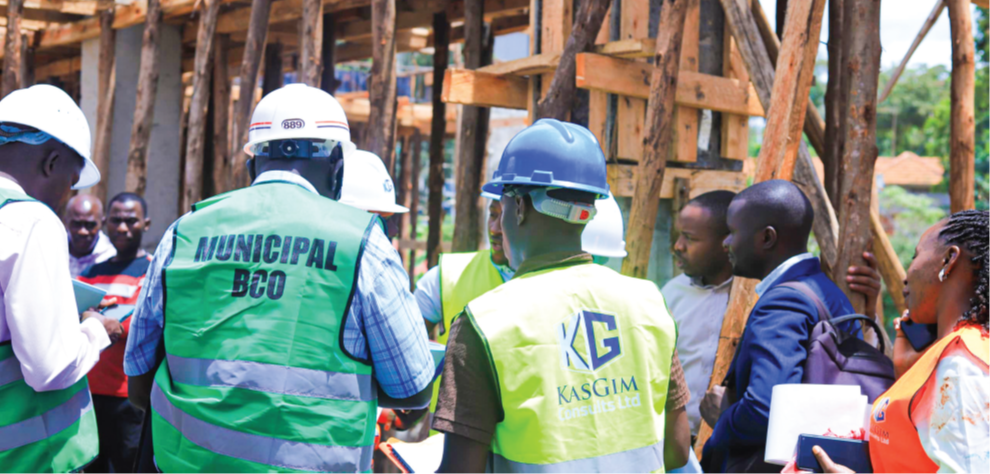
It is a bright morning in Soroti City, a group of engineers, architects, and local government officers gather around a construction site. Dressed in hard hats and reflective vests, they bend over freshly poured concrete, measuring, noting, and debating every detail of the foundation of a new commercial building rising in the heart of town.
To the casual observer, it might seem like a routine site visit. But for the National Building Review Board (NBRB), scenes like this represent the quiet transformation taking place in Uganda’s construction sector.
These men and women make up the Building Committee — the team charged with ensuring that every structure put up in their jurisdiction meets the country’s building standards, safety codes, and accessibility requirements.
“We are here to ensure that what is being built is safe for the people who will live and work here. Developers must follow the approved designs and national building codes,” explains Eng. Samuel Oranit, a Building Control Officer.
Across the country, Building Committees like this one are steadily changing how Uganda builds. They are enhancing construction safety, curbing illegal structures, and restoring public confidence in the integrity of the built environment.
Custodians building safety
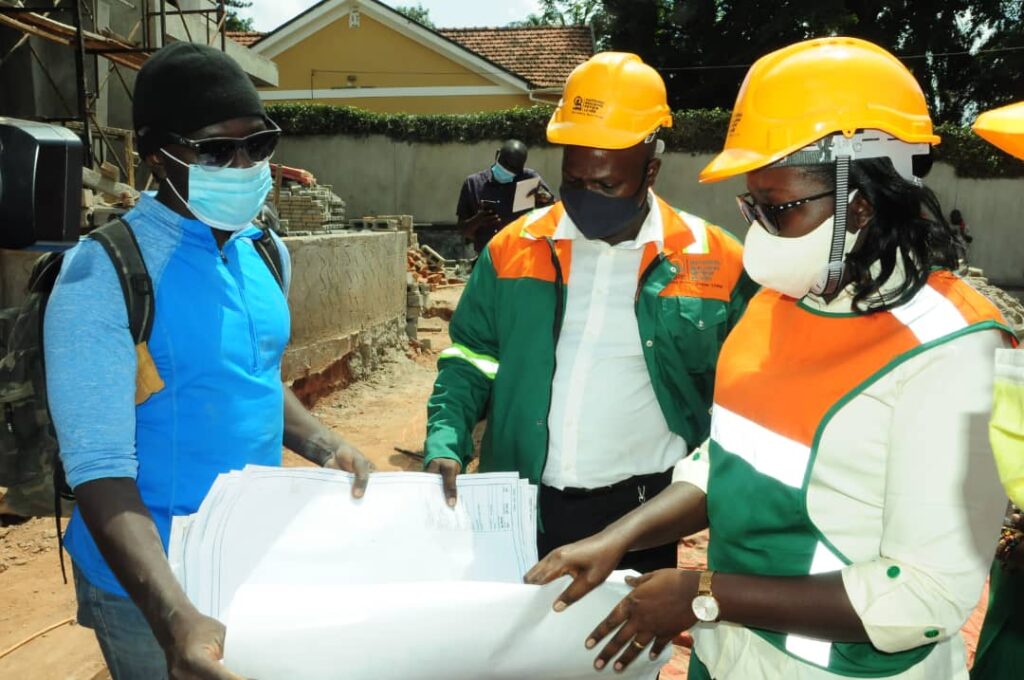
Building Committees were established under the Building Control Act. Cap, 136, and operate within all urban and local authorities. Their mandate is broad: to scrutinise and approve building plans, issue building and occupation permits, and ensure that all designs cater for persons with disabilities and meet the minimum safety standards.
They also review applications for minor building works, monitor compliance with the Building Control Act, and carry out any duties assigned by the National Building Review Board.
In short, they are the first line of defence against unsafe construction. Yet, for years, many committees struggled to do their job effectively. Some lacked qualified personnel, while others operated without adequate tools, transport, or up-to-date information. That, however, is beginning to change.
Building oversight
Over the past three years, the NBRB has rolled out a nationwide campaign to train Building Committees and strengthen their capacity. So far, 94 out of 177 local governments, about 53 per cent of all cities, districts, and municipalities, have been trained in the Building Control Framework.
The training gives members hands-on knowledge in plan approval, construction inspections, record management, and handling of noncompliance cases. It also introduces them to the Building Industry Management System (BIMS)- a digital platform that has simplified and modernised the approval process.
Two national trainings have also been held for Building Control Officers (BCOs) and Physical Planners, who support Building Committees in their day-to-day work.
The first took place in Jinja in 2024, and the second in Mbarara City in 2025, focusing on inspection techniques, documentation, and compliance monitoring.
To guide their work, NBRB produced a Building Control Officer’s Handbook, now distributed countrywide. The manual provides practical steps for plan approval, inspection procedures, and enforcement of penalties where violations occur.
Standards for safe construction
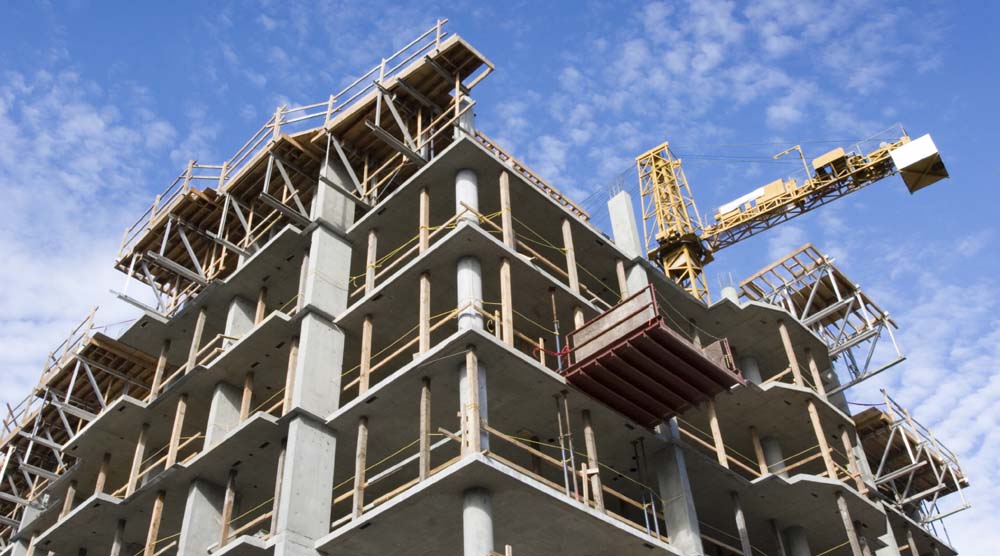
The Government has also strengthened the legal framework that governs the construction sector. Among the key instruments now in force are the Building Control Regulations (2020), Building Control (Fees) Regulations (2020), Building Control (Appeal Procedure) Regulations (2021), and the National Building Code (2019).
These standards outline how applications should be processed, the acceptable design and material specifications, and the procedures for appeals.
Local governments are already taking the new standards seriously, with many insisting on certified professionals and complete documentation before construction begins.
Behind the scenes: the challenges
Despite the progress, challenges remain. Several Building Committees still face staff shortages, lack inspection vehicles, or have limited access to technical tools.
In rural districts, officers may oversee large territories with little logistical support. Public ignorance and deliberate non-compliance by some developers continue to pose risks.
There are still cases where property owners begin construction before obtaining approval, hoping to regularise their structures later.
NBRB officials acknowledge these challenges but say ongoing reforms are starting to bear fruit. The adoption of the Building Industry Management System (BIMS) has been particularly transformative, helping to curb corruption, speed up approvals, and create a digital record of all construction activities.
“BIMS has improved efficiency and transparency,” says one officer. “It’s a powerful tool that allows us to track every building from application to completion.”